Sheet updated September 2026
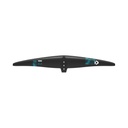
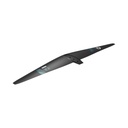
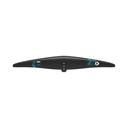
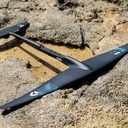
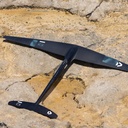
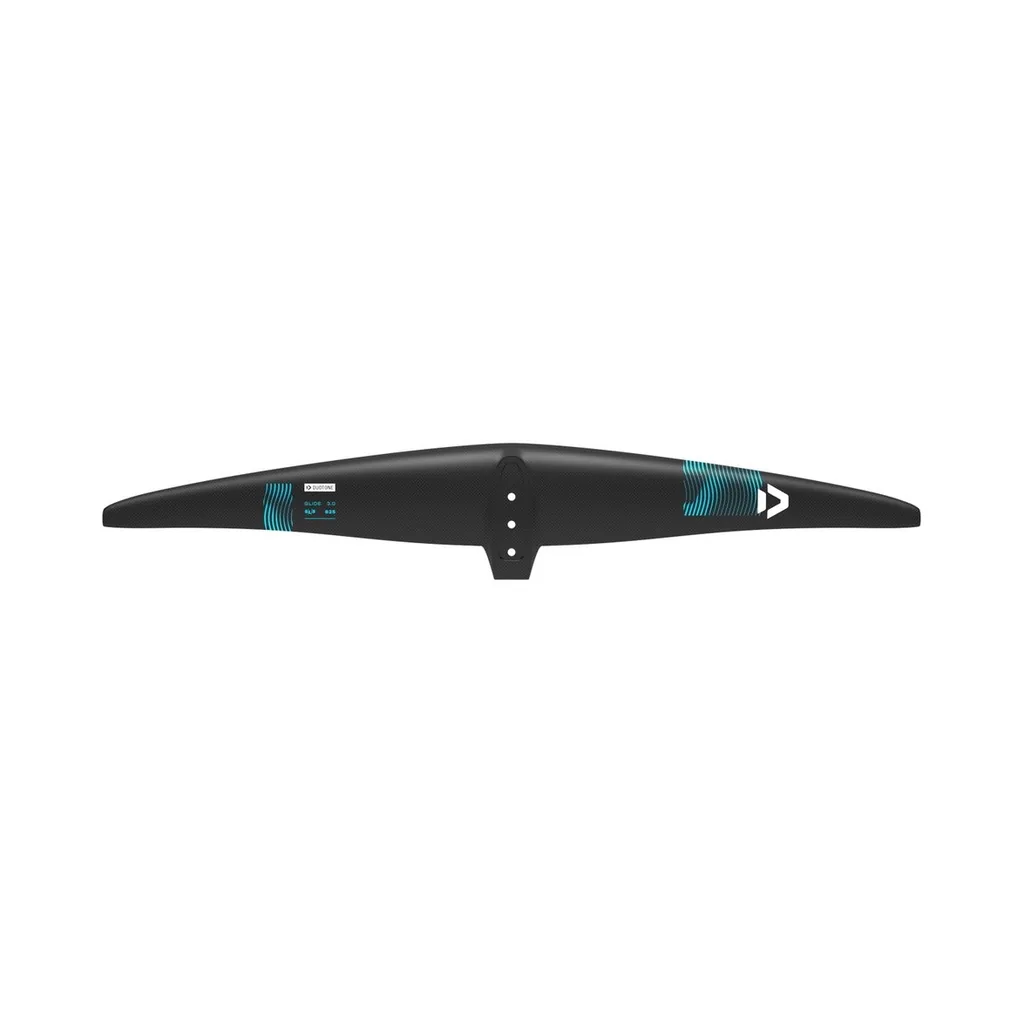
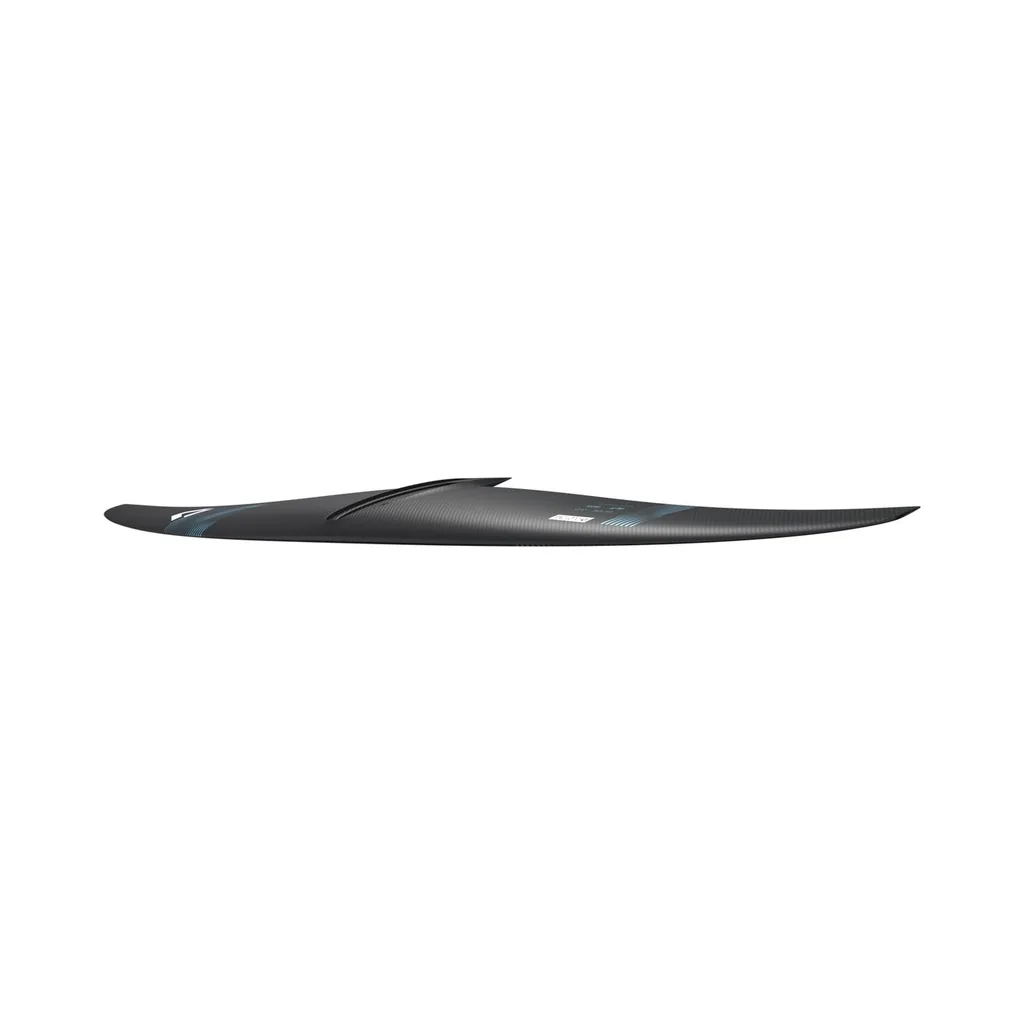
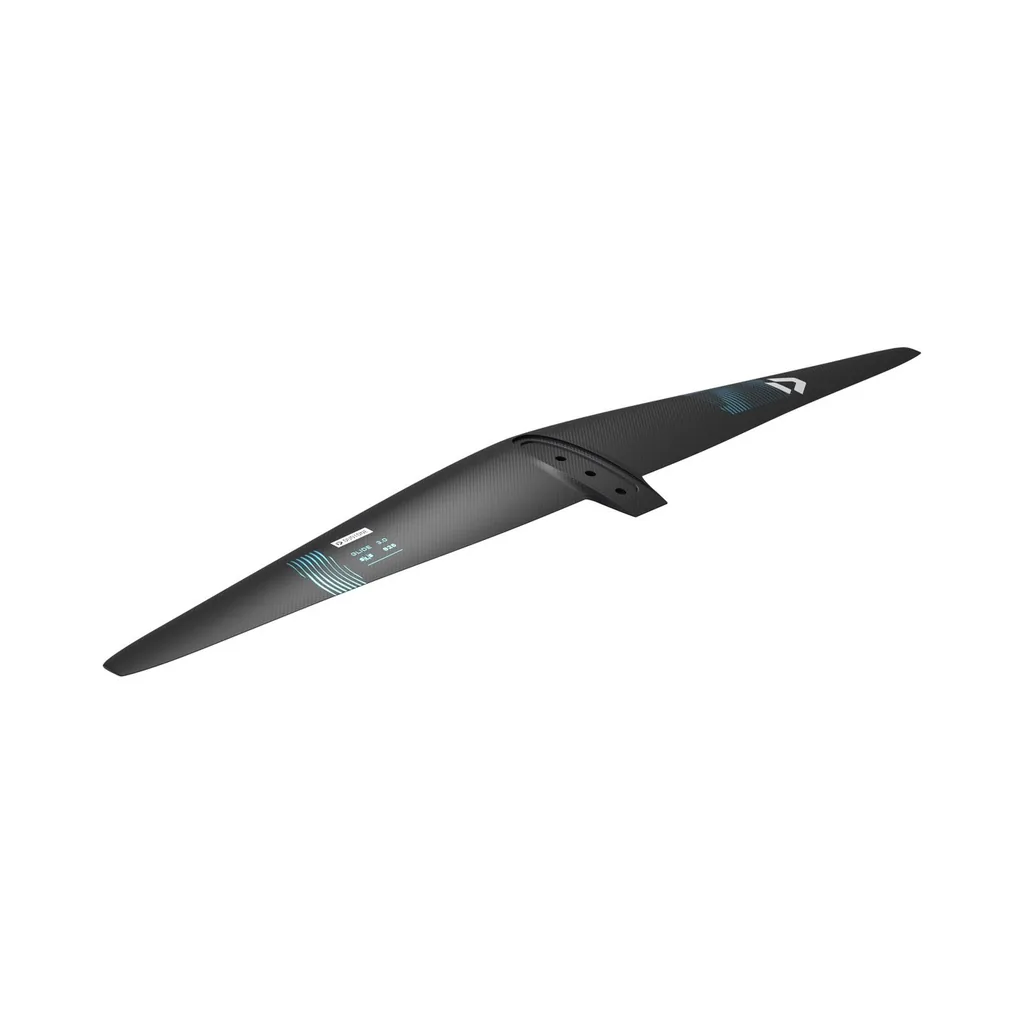
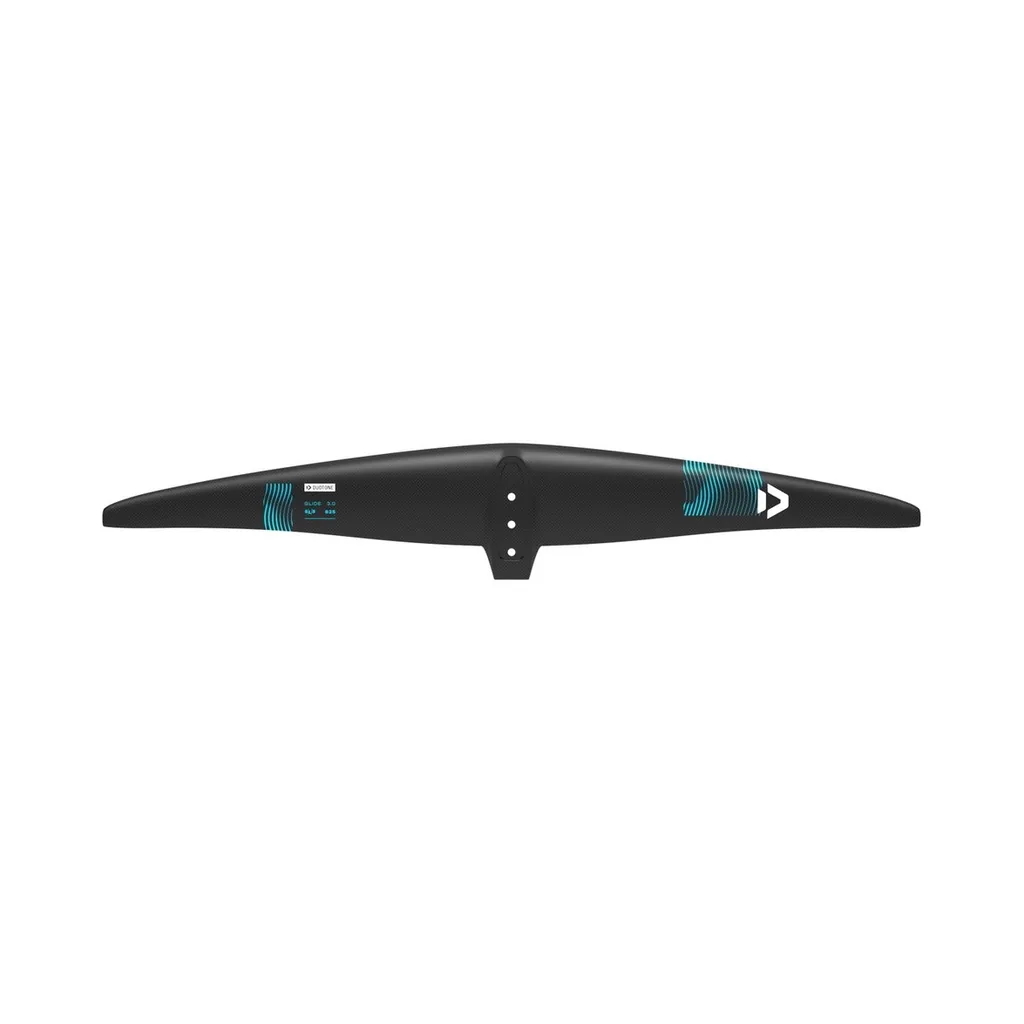
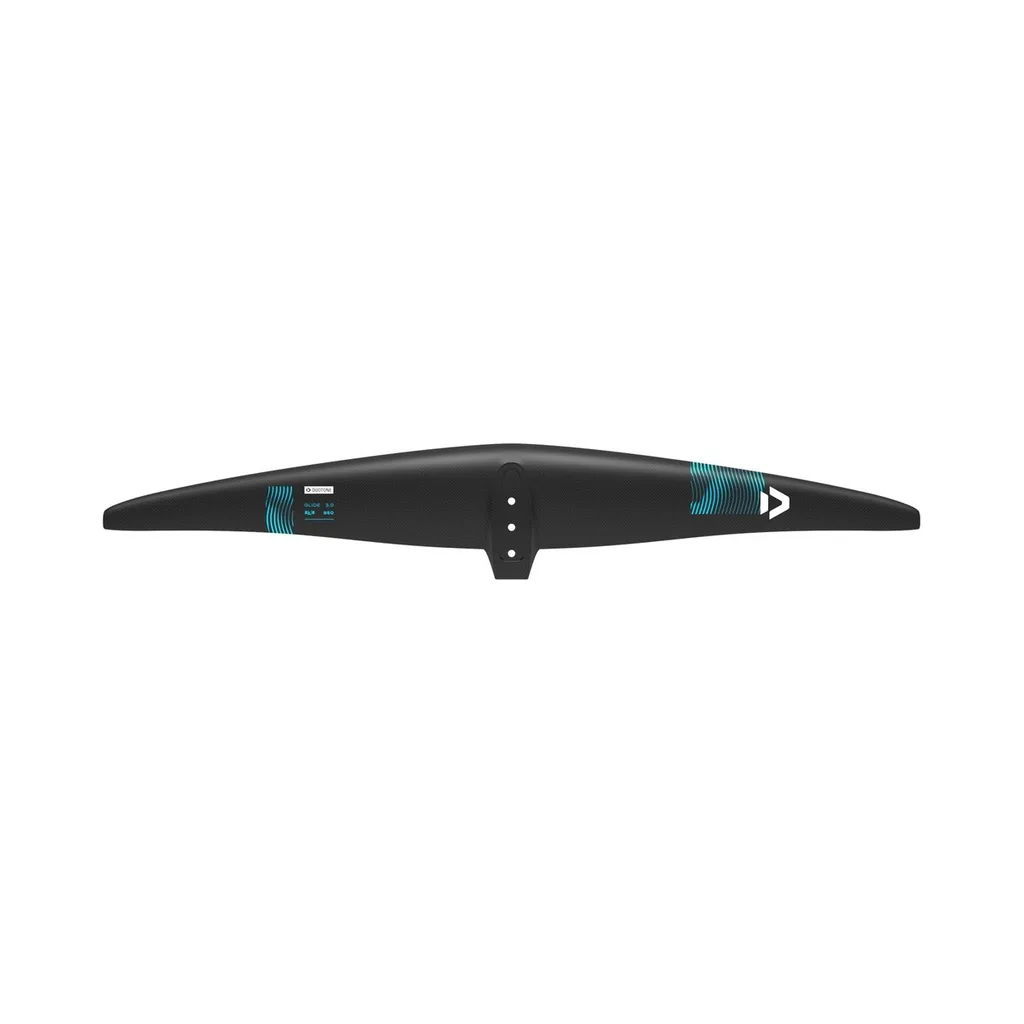
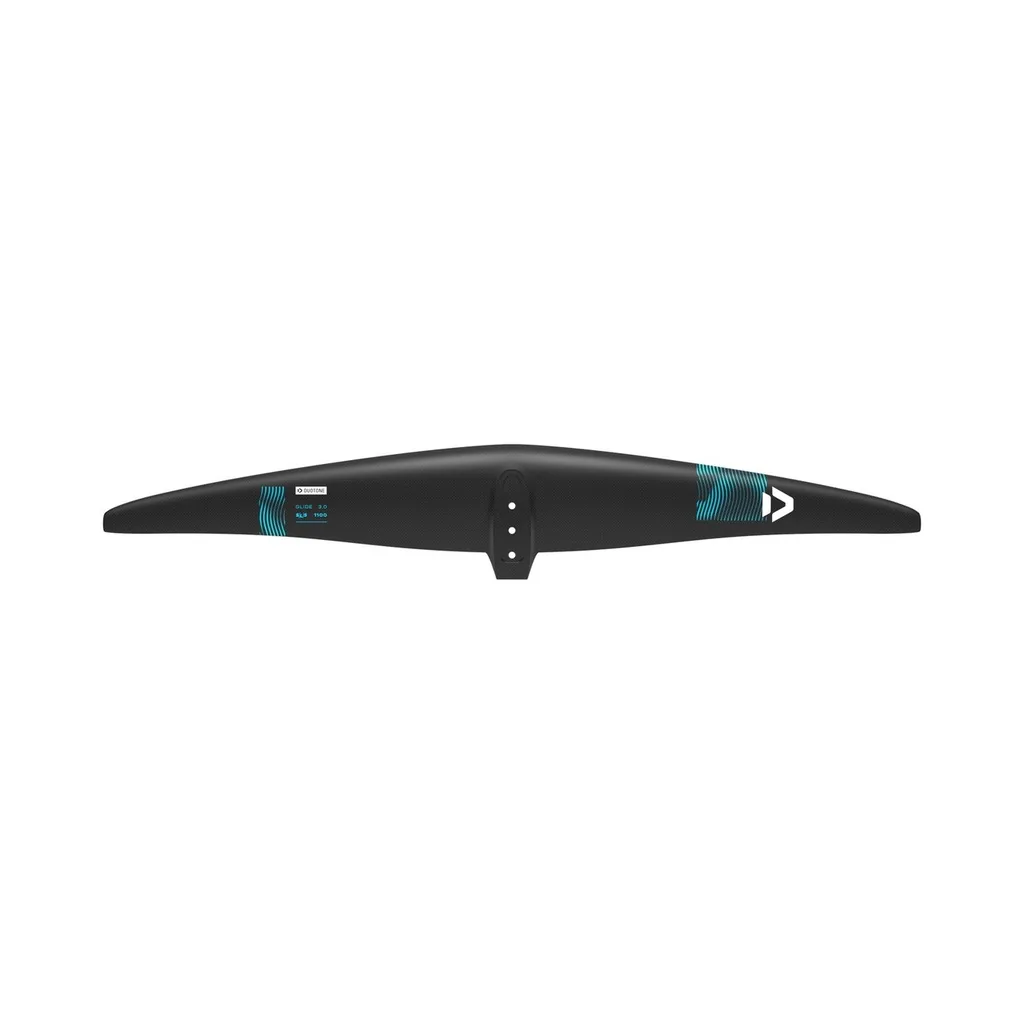
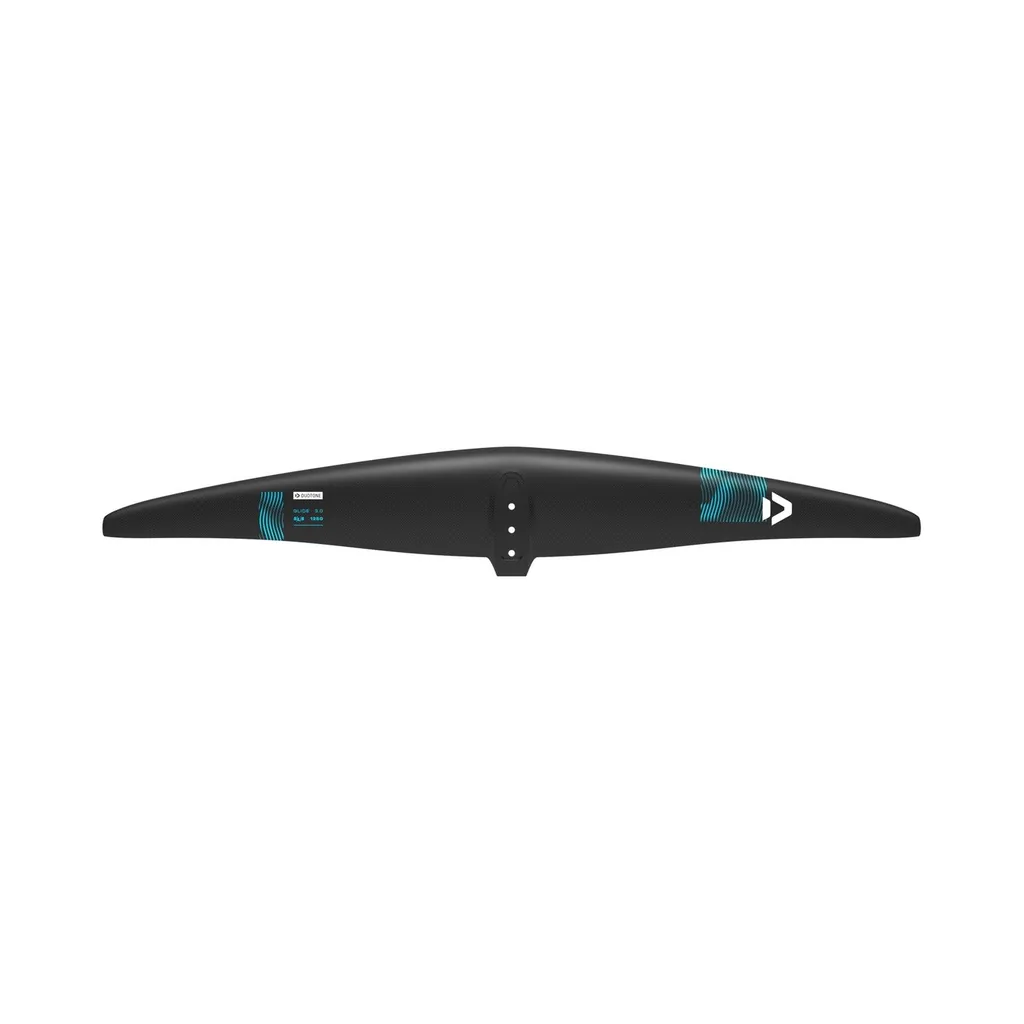
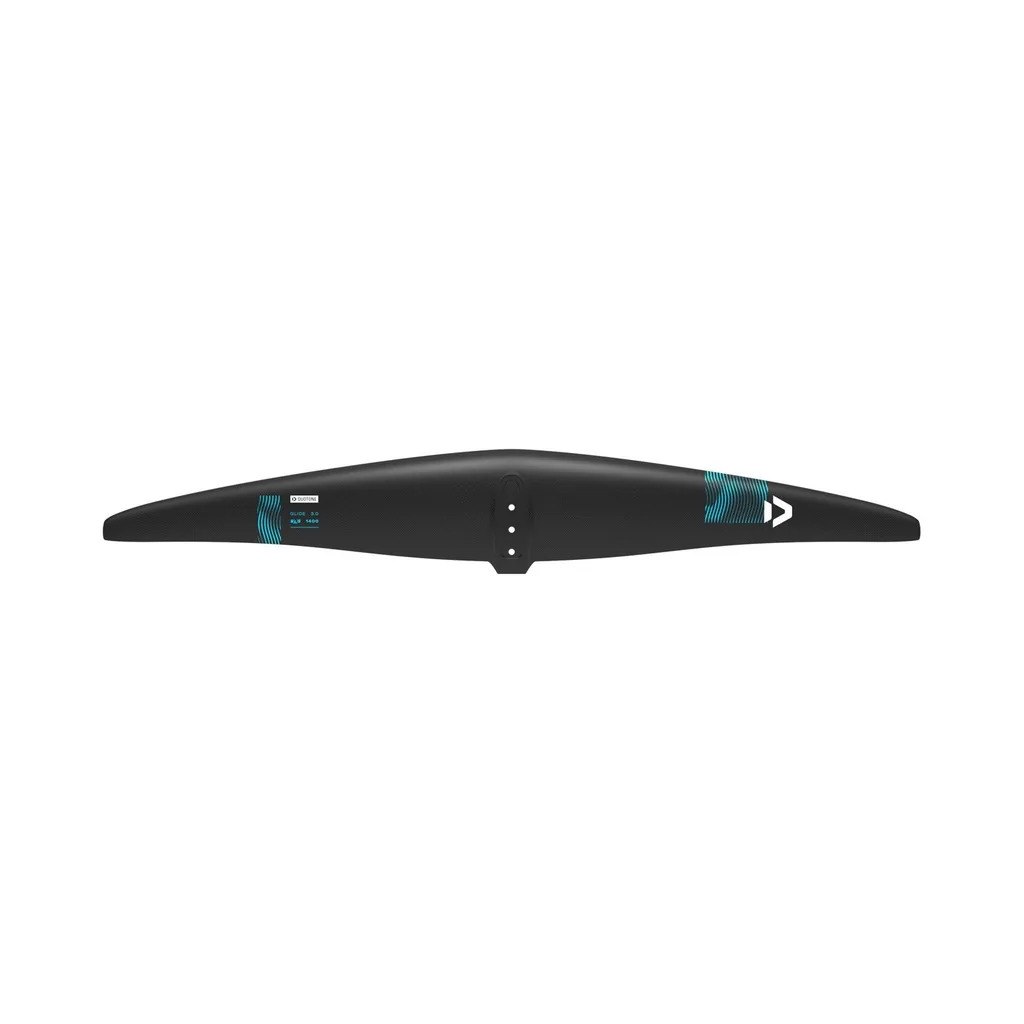
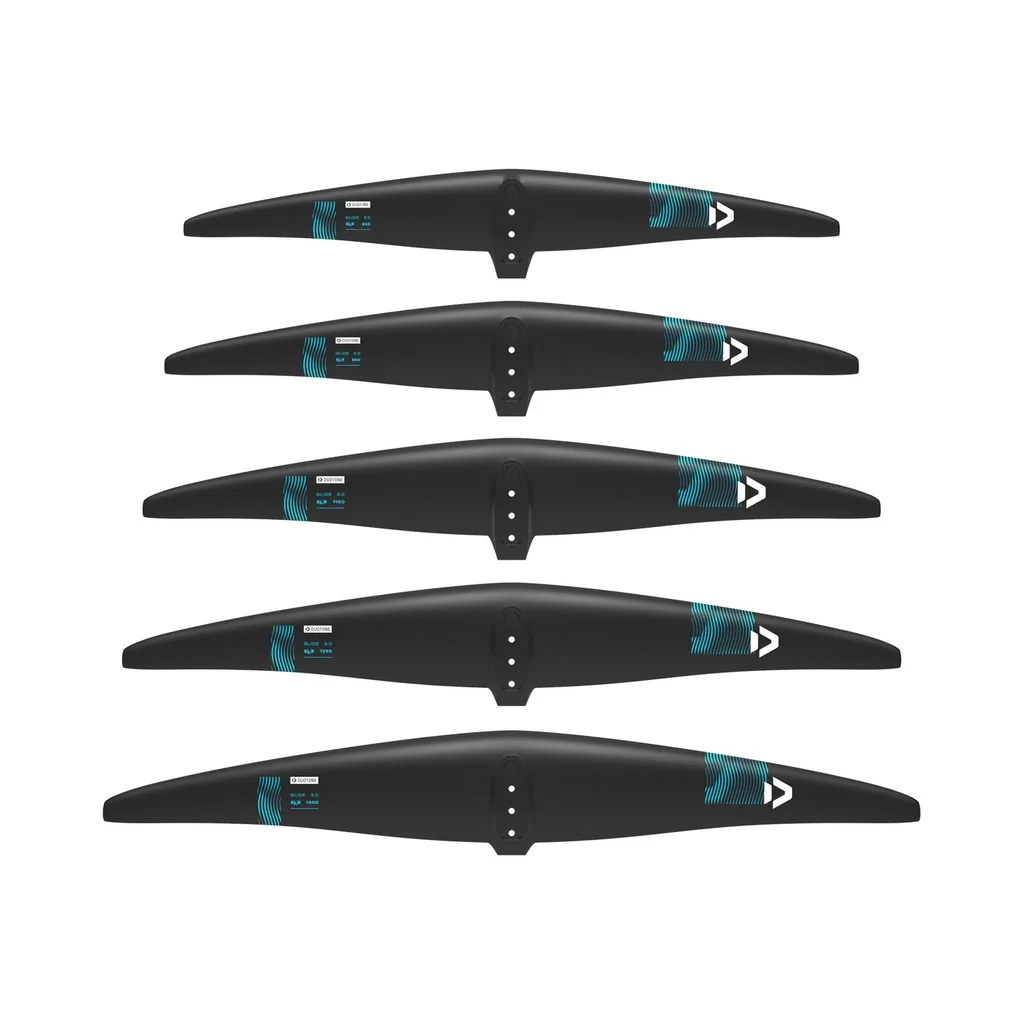
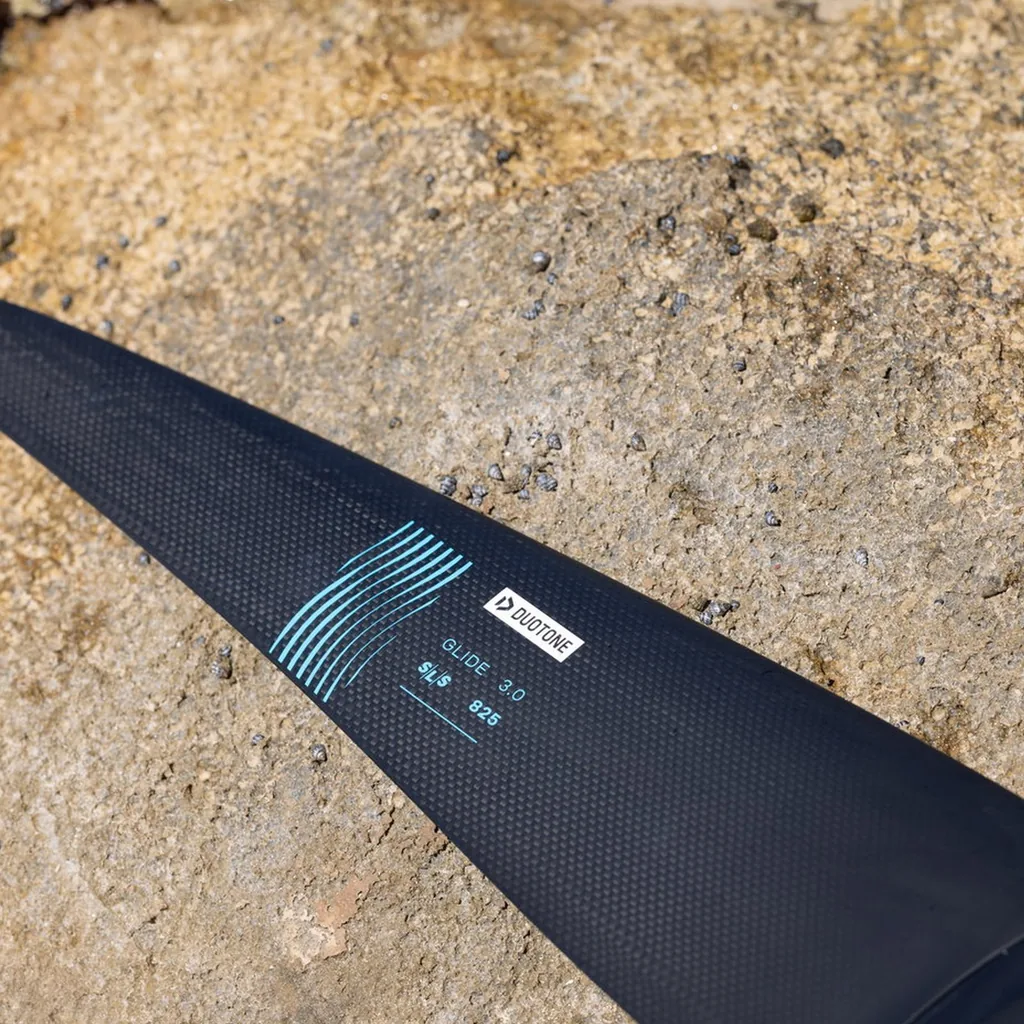
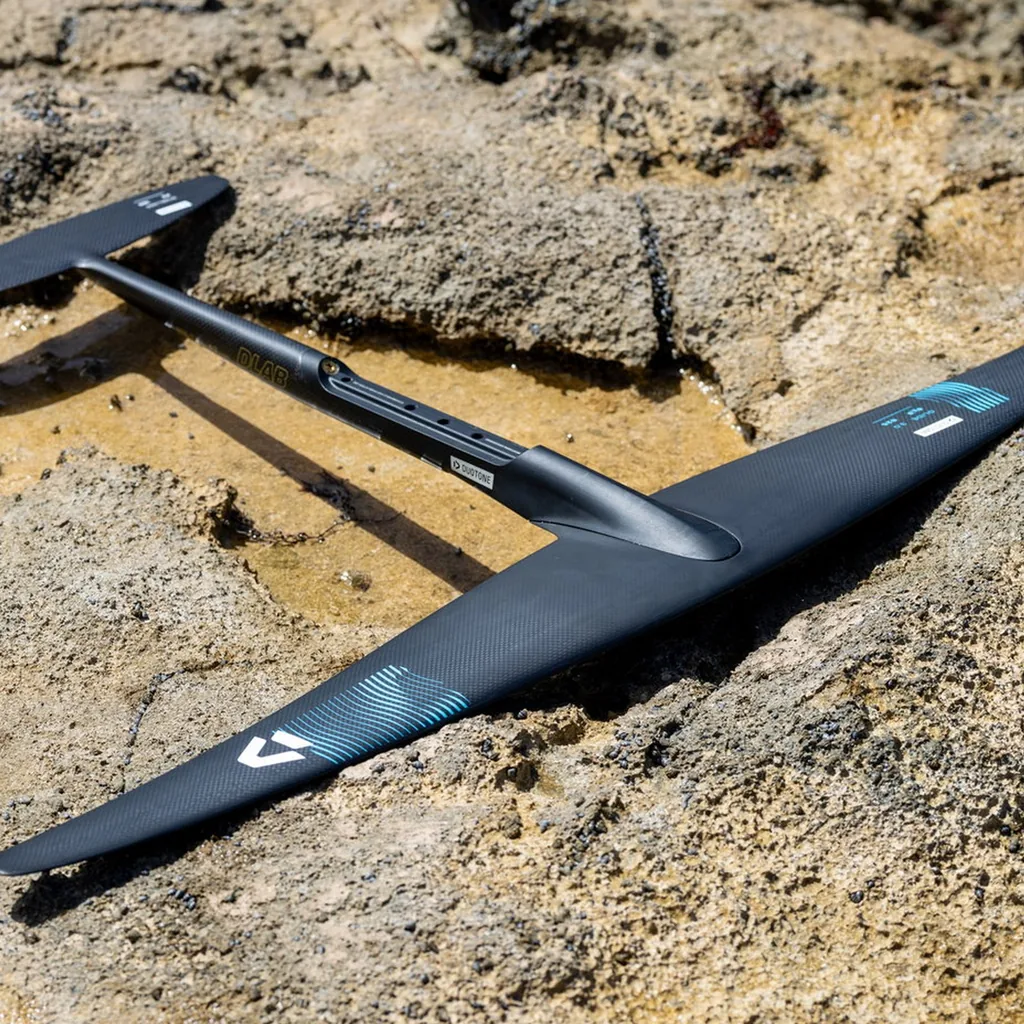
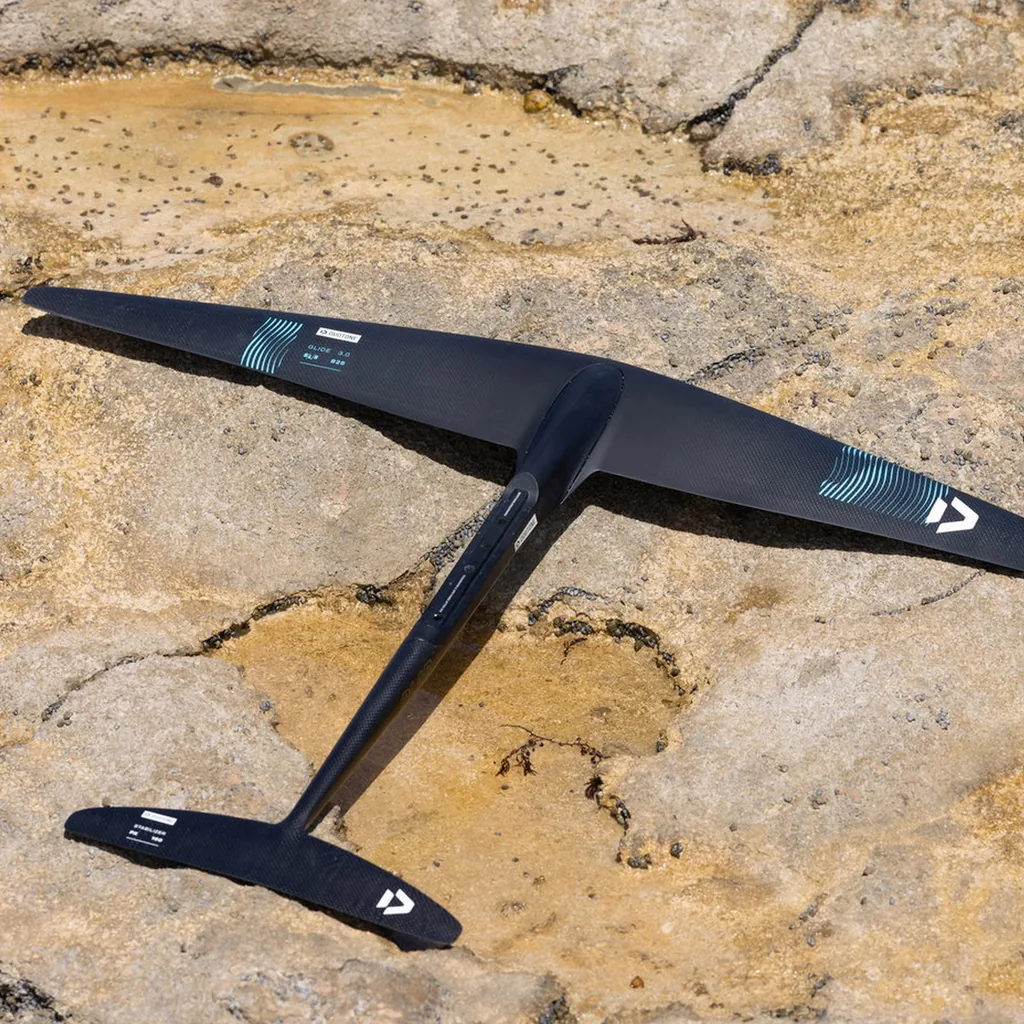
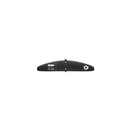
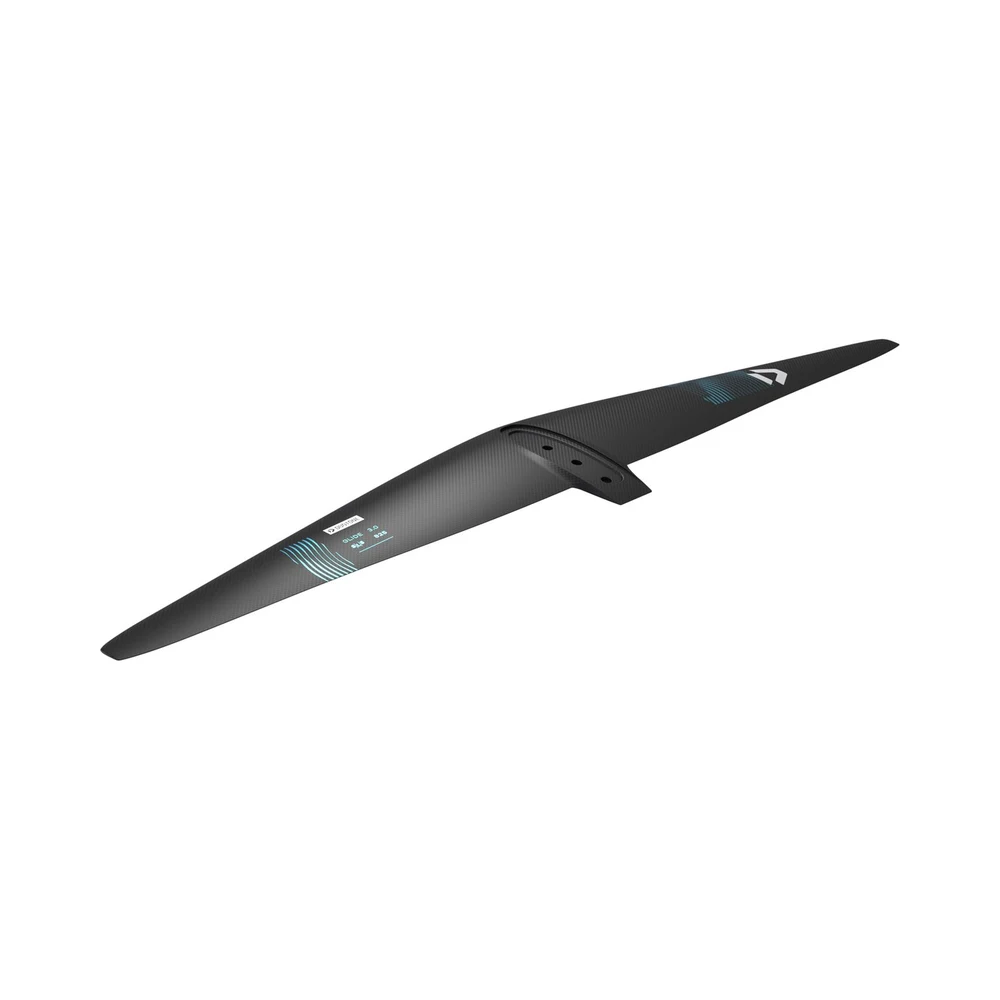
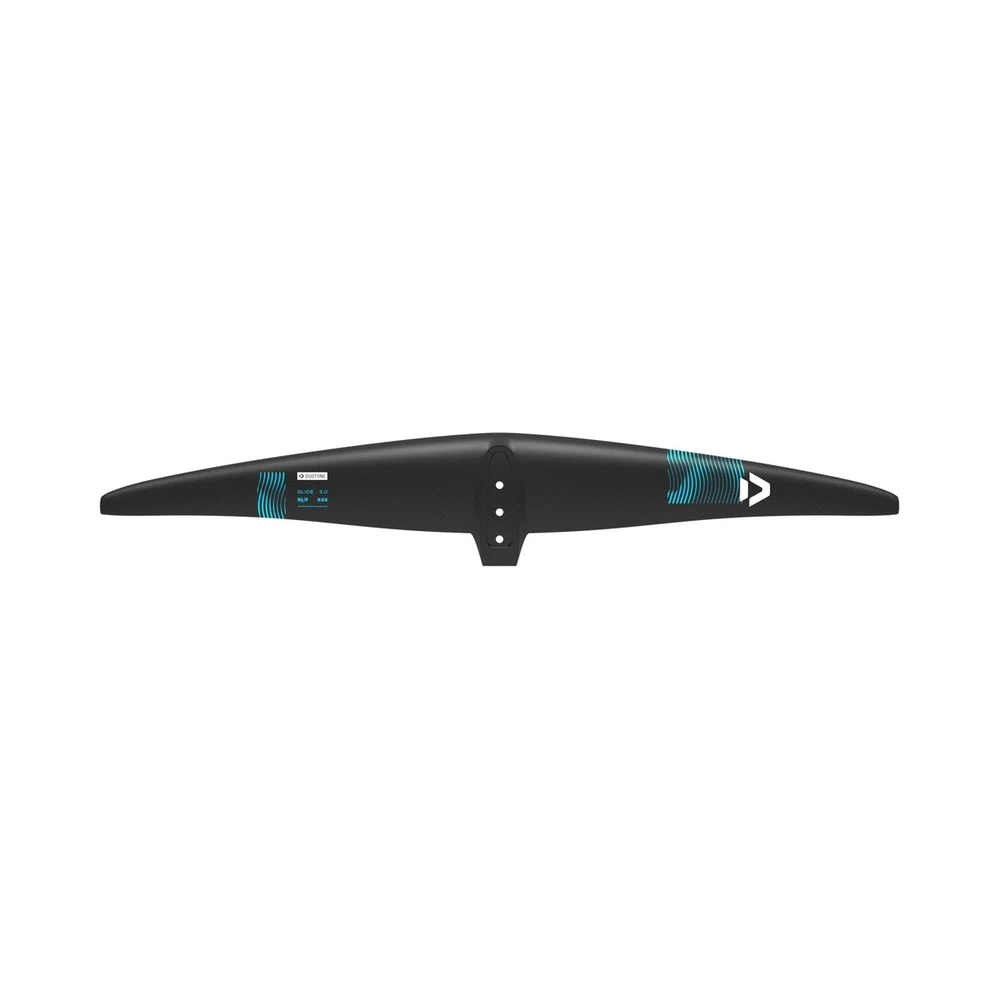
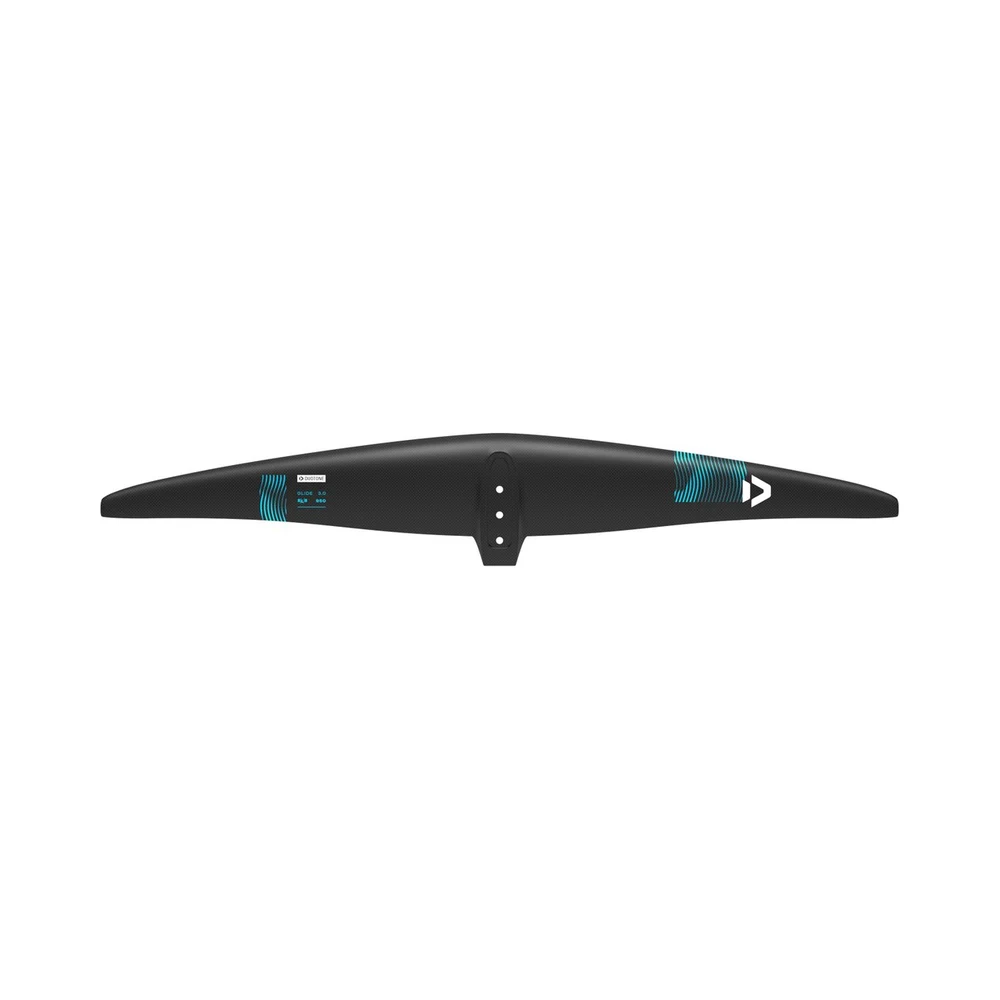
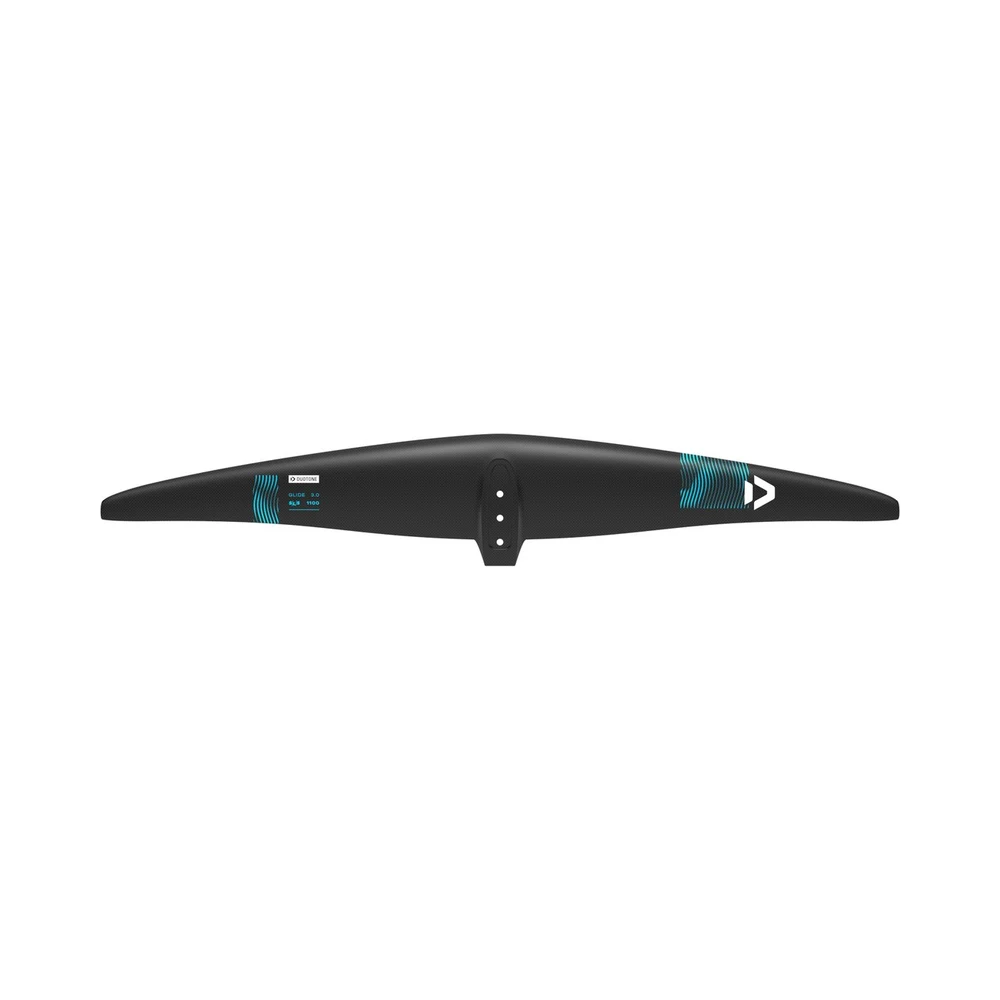
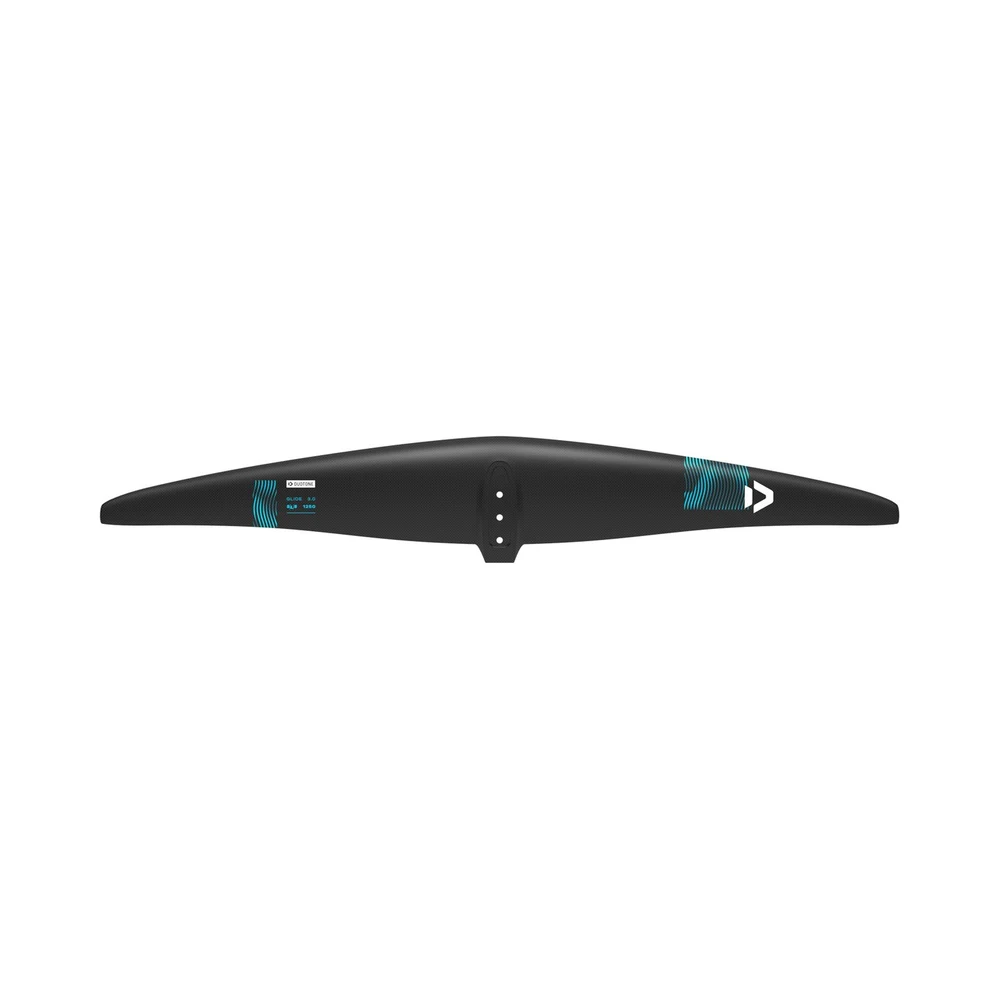
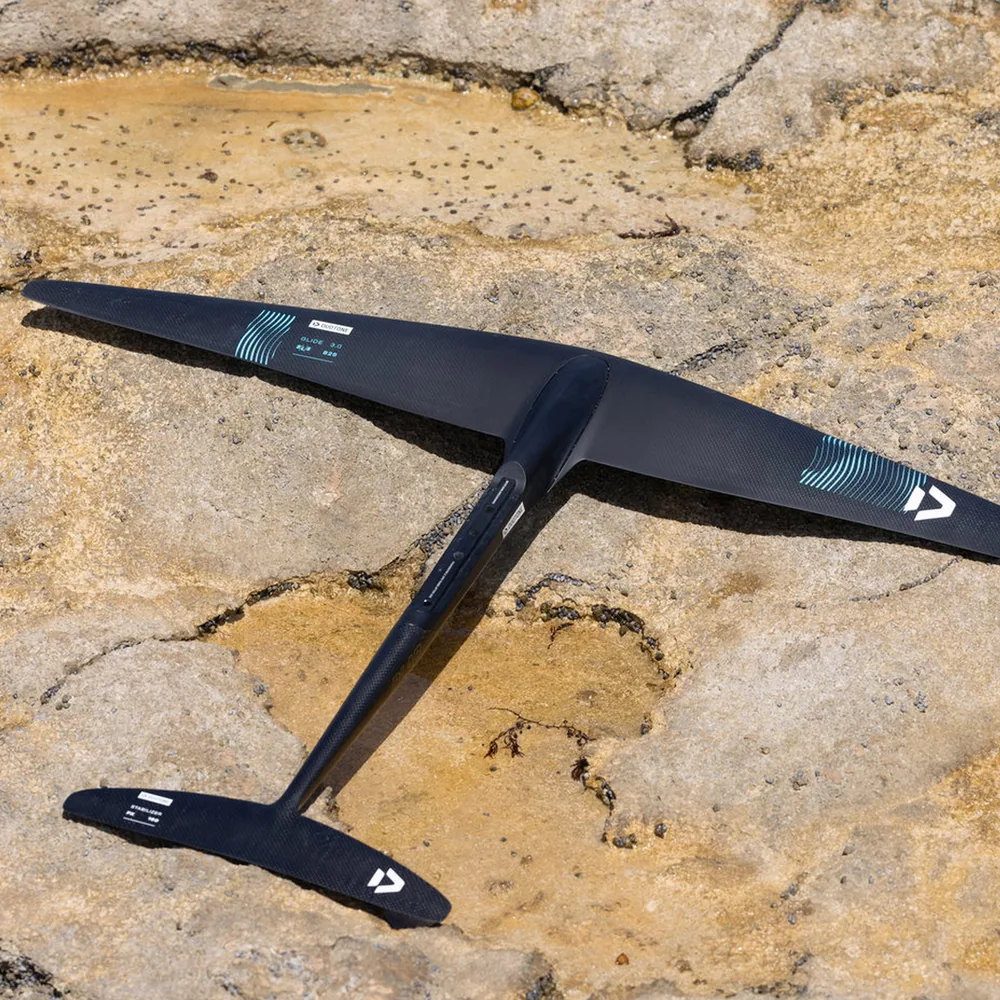
The Duotone Glide 3.0 SLS 2027 takes the DNA of the D/LAB version, now in an SLS construction. With an aspect ratio of 12, a Crest-inspired profile, and a mustache geometry, it delivers long glide, efficient pumping, and a playful ride feel. Choose from five sizes, ranging from 825 to 1400 cm².
KEY INFORMATION
DUOTONE GLIDE 3.0 SLS 2027 - High Aspect Ratio Foil Front Wing
What we like
- An aspect ratio of 12 extends your glide. It makes pumping easier.
- The Crest-inspired profile provides lift at low speeds. This gives you a very wide operating range.
- With its mustache geometry and raised tips, you get free and playful roll response.
- Controlled tip exits mean the Front Wing comes out of the water cleanly. It re-enters smoothly.
- Large surfaces, up to 1400 cm², are perfect for downwind and parawing on small swells.
- For equal performance, go down one size compared to the Glide 2.0.
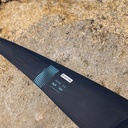
- HM and IM prepreg carbon delivers stiffness and responsiveness without excessive weight.
Use
Wing foil • Prone • Parawing • Downwind
Available sizes
Included / Not included
✓ Included: Front Wing, screw set with 3 M8 x 30 screws
✗ Not included: Fuselage, mast, stabilizer, board
Test and review
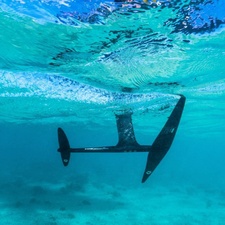
Duotone Glide 2.0 SLS 2025: test and review
Discover the detailed tests and reviews from our riders on the DUOTONE GLIDE 2.0 SLS 2025 foil.
13/06/2025 Read the full review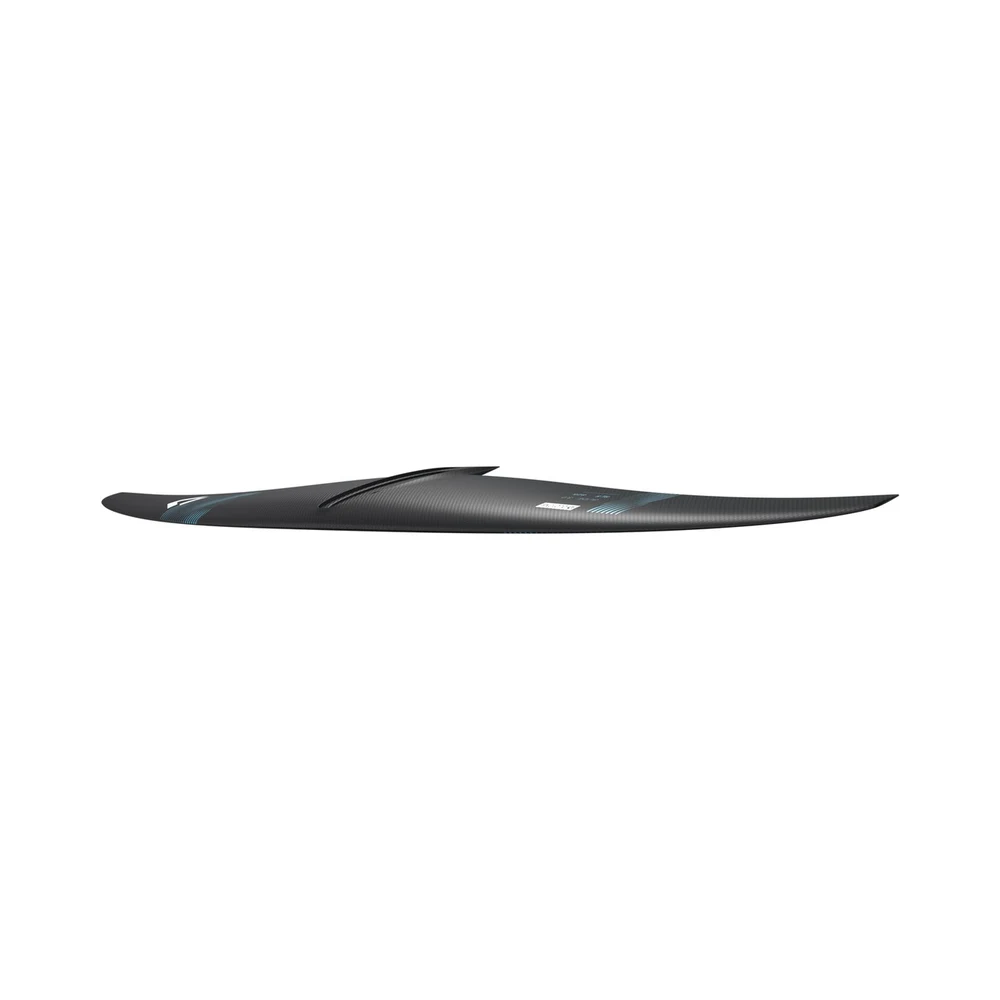
DETAILED DESCRIPTION
High aspect ratio made accessible
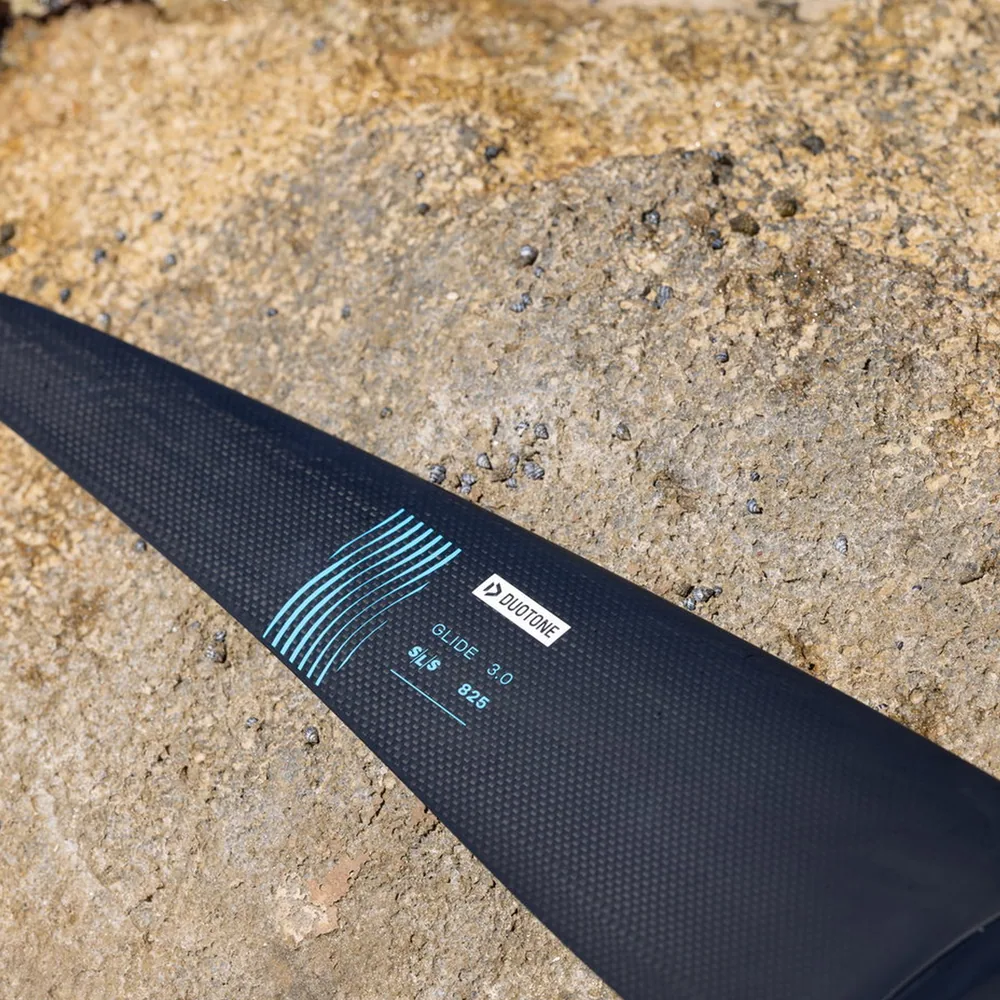
The Glide 3.0 SLS comes directly from the D/LAB version, featuring the same geometry and profile, but in an SLS construction. Its 12 aspect ratio places it in the category of long, thin Front Wings that glide far and pump easily. The SLS construction makes this performance accessible without the full D/LAB carbon price tag.
A forgiving profile at low speeds
Duotone adopted the progressive stall profile concept from the Crest D/LAB. This means the Front Wing continues to provide lift as speed drops, instead of stalling abruptly. This lets you stay in flight in very low-energy conditions. It allows you to pump with less effort and sustain your ride longer. It also allows you to choose a more compact surface than before.
The mustache geometry.
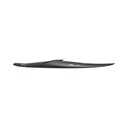
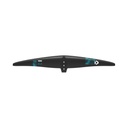
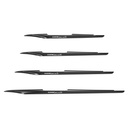
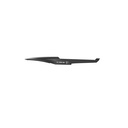
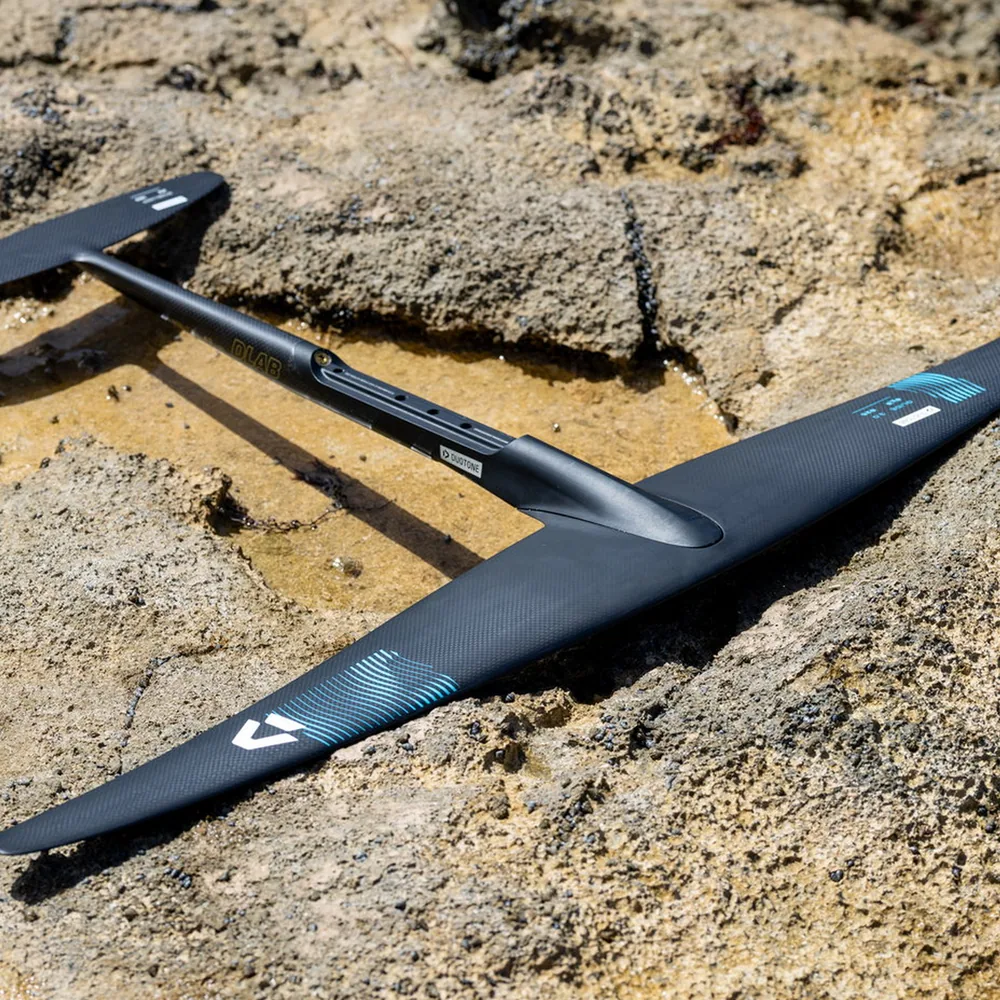
The Front Wing features a mustache-like curvature with upturned tips. Roll behavior becomes significantly freer than on a flat Front Wing. Edging is immediate, and turns tighten up. Another effect is the control of tip breaches. The tip can exit and re-enter the water without losing stability, which is crucial when carving hard.
Chord distribution and efficiency
The chord has been redistributed across the wingspan to maximize efficiency and energy conservation. In practice, the glide phase extends between pumping impulses. Fatigue sets in later. On a downwind session, this parameter determines whether you link waves or fall off.
Five surfaces, especially the large ones
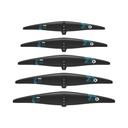
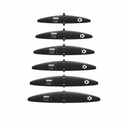
The range goes from 825 to 1400 cm², with an aspect ratio that decreases from 12.0 to 11.0 as the surface area increases. The larger sizes are the clearest contribution of this vintage: they take off very early and work in very low energy conditions. This opens up downwind and parawing on lakes and inland waters, where the ripples are tiny.
Compatibility and Assembly
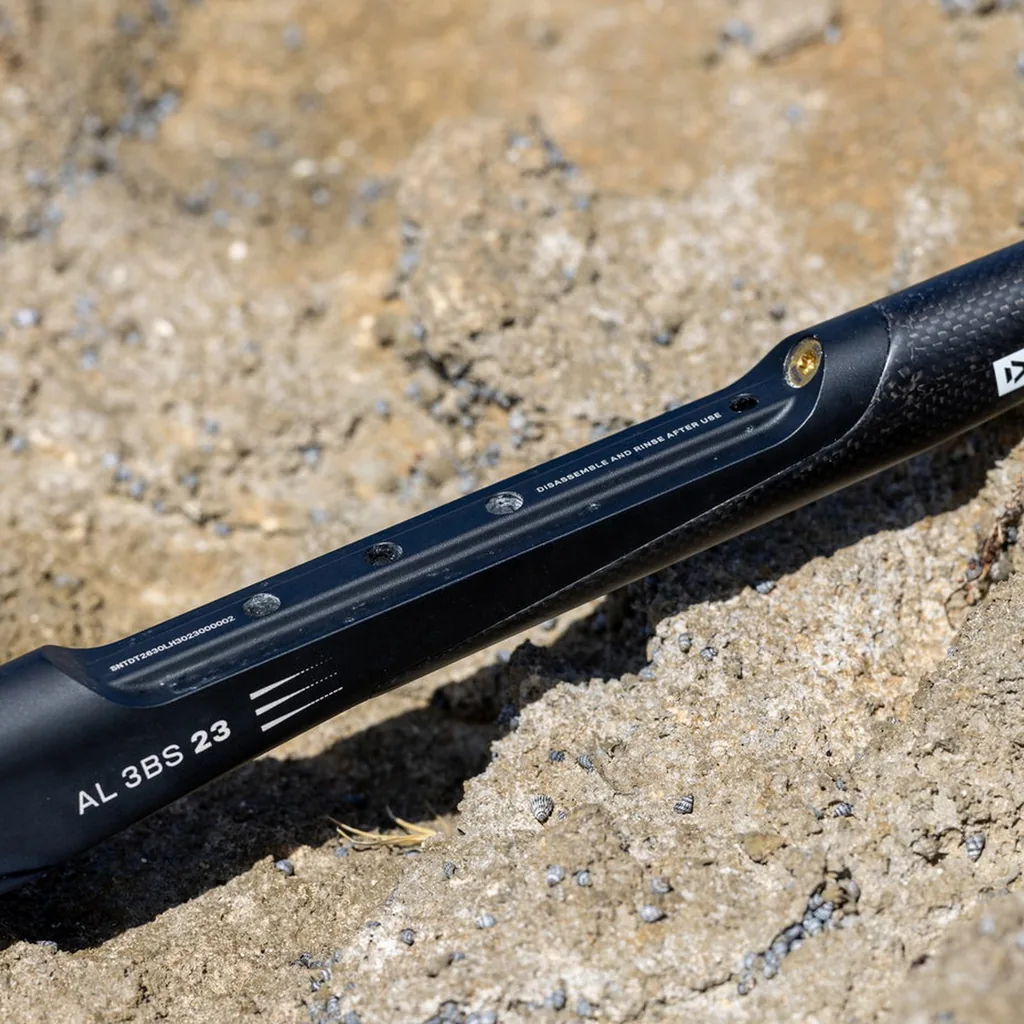
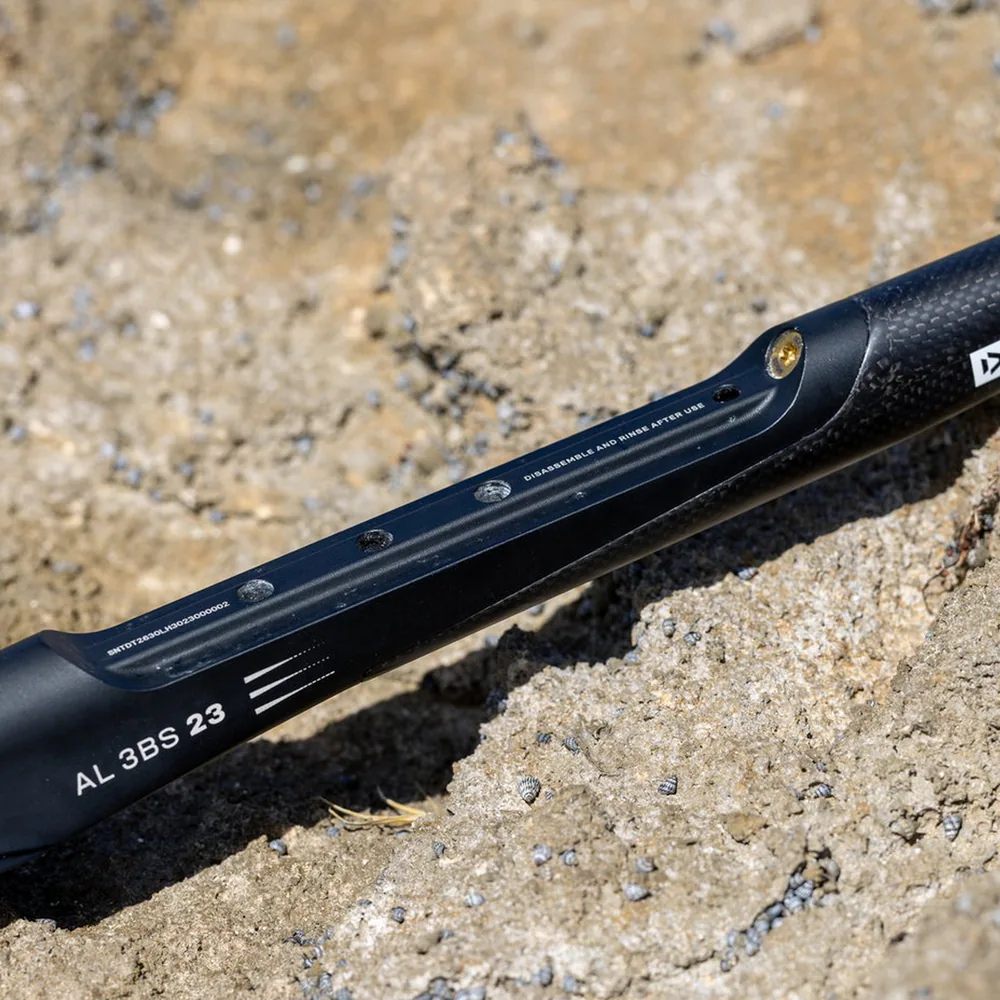
The Front Wing is compatible with all D/LAB tails, H, S, and PX stabilizers, as well as the new Monobloc tails when using the 23 cm AL 3BS front piece. Duotone recommends a PX160 to PX195 for wing and foil assist, and an H145 or H165 for prone, parawing, and downwind. The screw set is included, with 3 M8 x 30 screws to be tightened to 15 Nm.
SIZE GUIDE
| Surface | Wingspan | Aspect ratio | Recommended stabilizer for wing and foil assist. | Recommended stabilizer for prone, parawing, and downwind. |
|---|---|---|---|---|
| 825 cm² | 100 cm | 12.0 | PX160 | H145 |
| 950 cm² | 105 cm | 11.7 | PX175 | H165 |
| 1100 cm² | 112 cm | 11.4 | PX175 | H165 |
| 1250 cm² | 118 cm | 11.2 | PX195 | H165 |
| 1400 cm² | 124 cm | 11.0 | PX195 | H165 |
VIDEO
TECHNICAL SPECIFICATIONS
| Specifications | |
|---|---|
| Type | This versatile Front Wing is perfect for wing, prone, parawing, and downwind foiling. |
| Construction | High and intermediate modulus prepreg carbon |
| Profile | Inspired by the Crest, this Front Wing is stall-tolerant. It delivers excellent low-speed lift. |
| Geometry | It features a distinctive mustache profile with upturned tips. It has optimized chord distribution. |
| Aspect ratio | from 11.0 to 12.0 depending on size |
| Surfaces | 825, 950, 1100, 1250, and 1400 cm² |
| Wingspan | from 100 cm for 825 cm² to 124 cm for 1400 cm² |
| Screw set included. | Includes 3 M8 x 30 screws. These require a 15 Nm tightening torque. |
| Compatibility | D/LAB tails, H, S and PX stabilizers, Monobloc tails with the 23 cm AL 3BS front piece |
| Season | 2027 |
FAQ - DUOTONE GLIDE 3.0 SLS 2027
For the wing foil, prone, parawing, or downwind rider seeking glide and efficient pumping. Its forgiving profile makes it usable well beyond the expert level, unlike many high aspect ratio wings.
SLS construction in high and intermediate modulus prepreg carbon, Crest-inspired profile, mustache geometry with raised tips, optimized chord distribution. Five surfaces from 825 to 1400 cm², aspect ratio from 11.0 to 12.0.
The aspect ratio goes from 12.0 for 825 cm² to 11.0 for 1400 cm². Smaller surfaces suit strong winds and lighter riders. Larger surfaces are for downwind, parawing, and low-energy conditions. Duotone notes you can go down one size compared to the Glide 2.0. Call us with your weight and riding style.
The geometry and profile are the same; the construction changes. The D/LAB uses the 3BS+ connection with a fourth screw and covers smaller surfaces, from 600 to 1100 cm². The SLS starts at 825 cm² and goes up to 1400 cm², with classic M8 screws.
Duotone recommends a PX160 for 825 cm², a PX175 for 950 and 1100, and a PX195 for 1250 and 1400 for wing and foil assist. For prone, parawing, and downwind, use an H145 for 825 cm² and an H165 above that.
Rinse with fresh water after each session, focusing on the connection area and screws first. Dry before storing. Respect the 15 Nm torque for M8 screws: overtightening marks the carbon, undertightening causes the wing to move and the assembly to loosen.
Benefit from the expert advice of our specialized team and comprehensive after-sales support.
▶ Need some advice?
GlissEvolution, 2c avenue du Gulfstream, 44380 Pornichet (Loire-Atlantique)
09 62 64 74 77 | WhatsApp: 07 83 28 39 94, Tuesday to Saturday, 10am-1pm / 3pm-7pm
Test center available by appointment
To go further
Customer reviews
Loading reviews...