Guide: THE RECAP for foil maintenance and proper use
Hadou Brunner just dropped an awesome video for us on "how to maintain your aluminum foil."
GlissEvolution team comments:
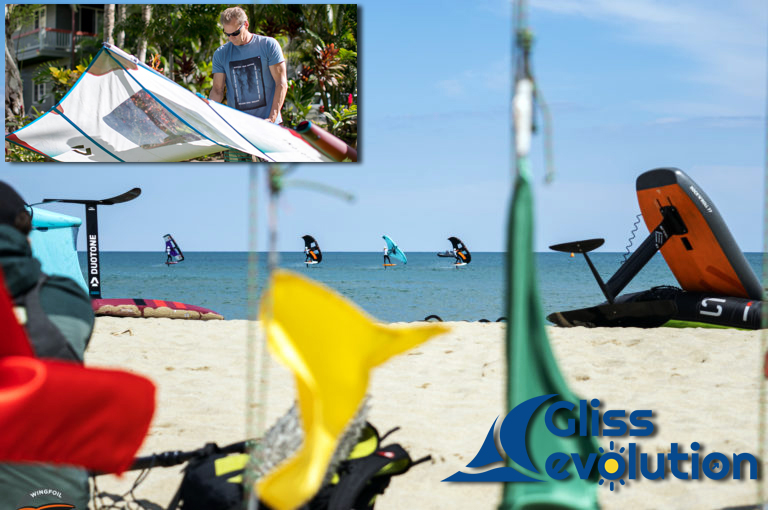
Your gear needs daily maintenance, every time you use it. Proper use of your wingfoil or kitesurf equipment makes it last longer.
Here are some tips for maintaining your wingfoil wing.
Watch out for the sun:
Just like your skin, your wing foil wing and board are sensitive to the sun, especially UV rays. Leaving your gear out in the sun for too long can lead to premature wear. Foils and their screw set are in the Foils section of the shop.
The solution here is simple: when you take a long break out of the water or finish your session, put your kite away. The less your wing is exposed to the sun when you're not on the water, the more time you'll spend with it on the water.
Boards, like wings, don't like the sun. Wing boards are even more susceptible. These large volumes need to decompress with temperature changes, which is why they have a decompression valve. Without it, they risk delamination.
This gear is lightweight, which also means it's fragile. We're not in the 70s anymore with indestructible, all-proof plastic. You can't have it all...
Taking care of your wing also means taking care of the Trailing Edge. Just like with the sun, when you leave your kite on the beach, nose to the wind, the Trailing Edge can flap. This causes premature wear of the material and creates marbling. This leads to a significant loss of performance and increases the fabric's porosity. So, when not in use, store your wing correctly in its bag.
Sand:
Sand is probably the second biggest destroyer of gear, so watch out for it!
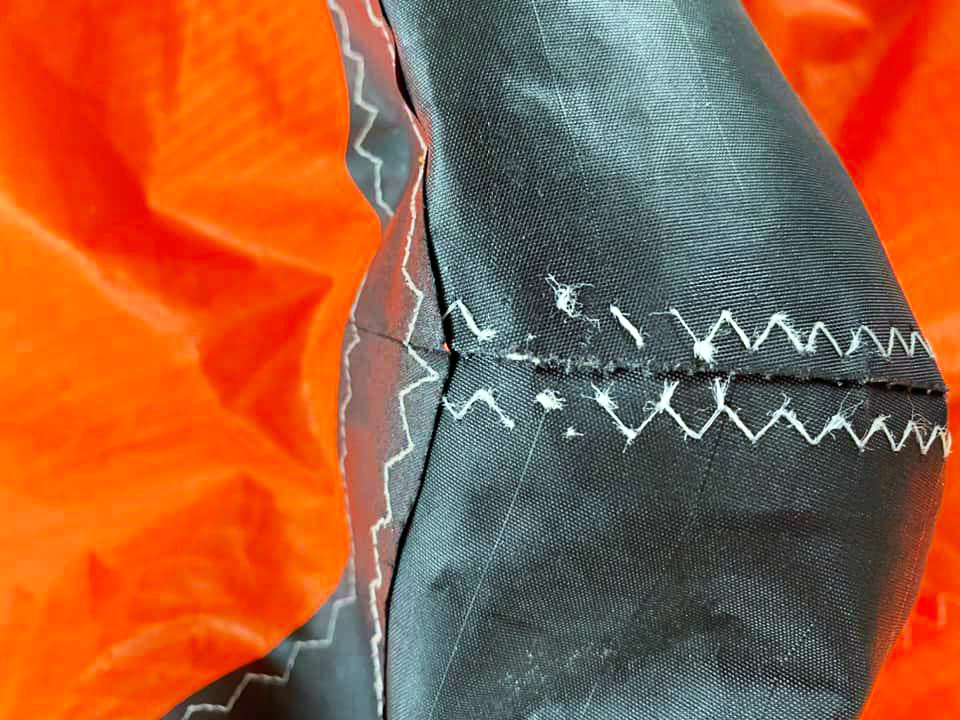
It infiltrates and rubs against your wing's material and seams, weakening them and potentially leading to tears over time.
The best solution is to clean your gear before storing it. Use a soft brush to remove all the sand.
Let your wing or kite air out:
It's important to dry your wing as much as possible before storing it. The easiest way is to leave your wing on the beach until it dries. If that's not possible, once you're home, take your wing out of its bag and let it air dry.
A wet wing left in a bag can lead to various problems, including valve detachment or mold.
Storing your kitesurf or wingfoil:
Proper storage is crucial if you want to take care of your gear. It's not complicated: just store your wing up high to prevent insects or other pests from damaging it. A mouse will find your wing very comfortable and might make a nest, all while nibbling on the fabric...
It's also best not to store your gear in a place that's too hot. The glue used for your wing's valves is a thermal adhesive, which could melt under excessive heat. For example, be careful not to leave your gear in your car in the middle of summer.
In practice, while riding:
Always place the foil and board upwind, and the wing downwind.
Never turn your back on the waves, or pay close attention to the period so you don't get caught.
Do not use the wing as a buoy to stay out of the water.
Taking care of your gear also means being mindful during your session on the water. The first important point is to always keep your wing downwind and your board upwind. This prevents your wing from falling onto your foil and tearing if it crashes.

Also, whenever possible, try not to fall on your wing during the session and not to lean on it when you're in the water (a flotation vest is a better option).
Most importantly, do not drag your wing on the beach or in the parking lot. Repeated friction can damage the seams and lead to the Leading Edge bursting.
A quick check-up of your wing or kite:
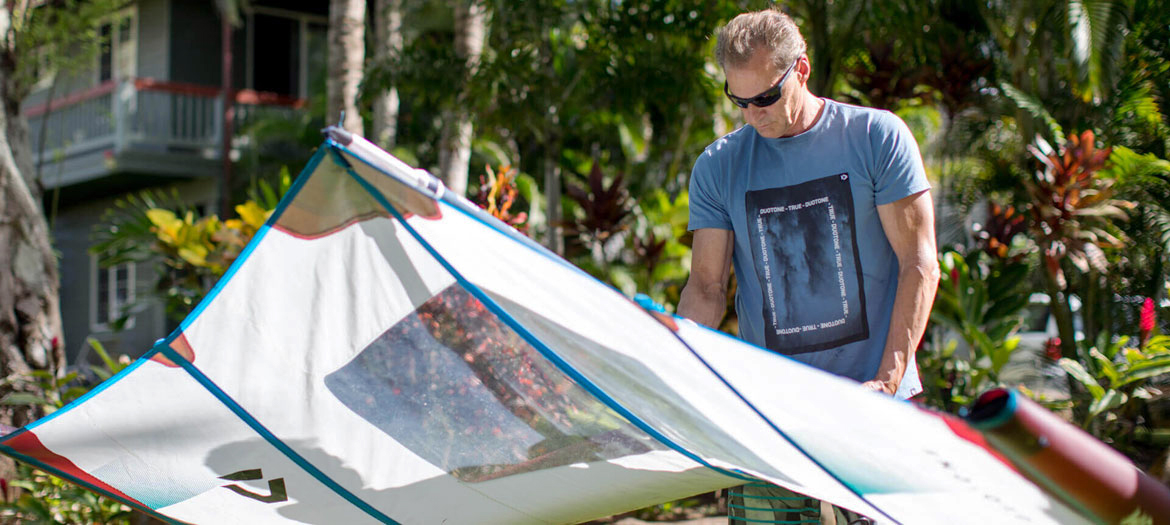
From time to time, take your wing out of its bag. Inflate it away from the wind, and inspect it carefully for any small (or not so small) tears.
To check your wing's condition, simply inflate it and stand underneath it, positioning your wing between the sun and yourself. If you spot points of light on your canopy, that indicates a hole.
Even a micro-hole needs repair with self-adhesive ripstop, which you can find right here at GlissEvolution:
If the Leading Edge shows any cuts or suspicious defects, get them properly repaired as soon as possible. This isn't a DIY job; a specialized sailmaker must handle it. You can drop off your wings at GlissEvolution, and Charly Workshop will take care of the repair.
While you have your wing out to inspect for wear, take the opportunity to rinse it with clear, low-pressure water.
Once inflated, lightly rinse the wing. Make sure to thoroughly clean any sand that might have accumulated between the canopy and the Leading Edge.
After cleaning, let your wing air dry completely.
If you completely deflate your wing after each use, give it a good shake to remove as much sand as possible. This prevents sand from damaging your wing.
Cleaning Your Wings:
There's always a debate: should you clean your canopy with fresh water after every session, or let the salt preserve it?
Some believe washing your wing or kite with fresh water removes salt, which can have a "sandpaper" effect similar to sand. Others argue that salt preserves the canopy by preventing it from molding.
The most crucial takeaway is this: never rinse your wing if you can't dry it properly. It's better to have a damp wing with salt water than with fresh water, which could lead to mold on your gear.
Here are some tips for maintaining your kitesurf kite.
Let Your Wing Air Out
Never store your kite if it's still wet or damp. Always dry it as much as possible before packing it into its bag. So, after each session, leave your kite on the beach until it dries. If that's not an option, then once you're home, take your kite out of its bag and let it air dry.
A wet kite left in its bag can lead to various issues, including valve detachment. And let's not forget the smell from mold…
Storage
Properly storing your kite is essential to prevent premature wear on the kite. It's not complicated: simply store your kite at a height to keep insects or other pests from damaging it.
Also, avoid storing your kite in overly hot places. The adhesive used on your kite is a thermal glue, which risks melting if exposed to high heat.
A Quick Check-Up
Every now and then, take your kite out of its bag, inflate it away from the wind, and carefully inspect it for any tears, big or small.
If the Leading Edge shows cuts or suspicious defects, get them repaired properly as soon as possible. For the canopy, small tears and cuts can be cleaned and repaired using self-adhesive ripstop tape. Check your lines and replace them if they show any wear, or untie any knots you find.
To untie knots, it couldn't be simpler: moisten the line, then gently tap it with a hammer. Tapping it dozens of times will gradually relax the fiber. Untie the knots with your fingernails; never use tools like pliers, as you risk damaging the line.
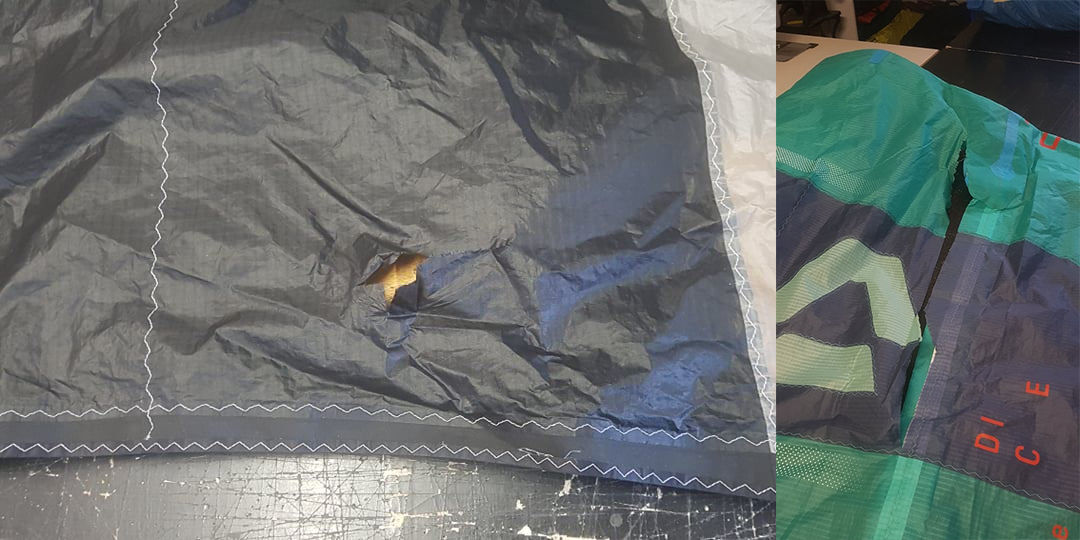
Credit: Charles Harin - Charly's Workshop
It's Time to Settle the Debate
There's always a debate about whether to rinse your kite with fresh water after each session or let the salt preserve your kite.
Some people believe that thoroughly washing your kite with fresh water removes salt, which can have an abrasive effect similar to sand.
Others believe that salt preserves the kite and prevents it from molding. Personally, I don't rinse my kites after use, and while I use this excuse, to be completely honest with myself, it's probably just laziness!
But remember this: never rinse your kite if you can't dry it perfectly. It's better to have a kite wet with salt water than with fresh water.
Maintaining Your Kite or Wing Pump:
Maintaining Your Kite or Wing Pump:
Key Features
| Section | Key takeaway |
|---|---|
| Hadou Brunner published a great video for us on "how to maintain your aluminum foil". | The video features a Fanatic wingfoil, but the advice applies to any foil brand (Duotone, F-One, Eleveight, Cabrinha, Slingshot, Naish, Airush...). |
| GlissEvolution Team Comments | Hadou's advice is spot on, but don't get paranoid about it. |
| Beware of the Sun | Just like your skin, your wing foil wing and board are vulnerable to the sun, especially UV rays. |
| Sand | Sand is likely the second-biggest destroyer of gear, so watch out for it! |
| Let your wing or kite air out. | It's crucial to dry your wing as thoroughly as possible before packing it away. |
| Storing your kitesurf or wing foil gear. | Proper storage is key if you want to keep your gear in top condition. |
| Out on the water, when riding. | Always place the foil and board upwind, and the wing downwind. |
| A quick check-up for your wing or kite. | Every now and then, take your wing out of its bag. Inflate it in a sheltered spot away from the wind, then carefully inspect it for any small (or not-so-small) tears. |
Consider this
Key considerations and limitations noted in this article:
- Here are some tips for maintaining your wing foil wing. Sun exposure: Just like your skin, your wing foil wing and board are vulnerable to the sun, especially UV rays.
- Never turn your back on the waves, and always pay close attention to the swell period to avoid getting caught.
Frequently Asked Questions
Hadou Brunner shared an awesome video with us on "how to maintain your aluminum foil": here's what to remember.
The video features a Fanatic wingfoil, but the advice applies to any foil brand (Duotone, F-One, Eleveight, Cabrinha, Slingshot, Naish, Airush...) and any glisse sport (kite foil, wing foil, windsurf foil, surf foil, SUP foil...).
GlissEvolution team comments: key takeaways.
Hadou's advice is spot-on, but there's no need to get paranoid. Leaving your foil assembled for 15 days won't cause it to seize up and become completely stuck.
Beware of the sun: what you need to know
Just like your skin, your wing foil wing and board are vulnerable to the sun, especially UV rays. Prolonged and unnecessary sun exposure will prematurely wear out your gear.
What should you know about sand?
Sand is likely the second-biggest destroyer of gear, so be wary of it! It can infiltrate and rub against the material and seams of your wing, weakening them and potentially leading to tears over time.
How to air out your wing or kite?
It's crucial to dry your wing as thoroughly as possible before packing it away. The easiest method is to simply leave your wing on the beach until it's dry.
What should you know about storing your kitesurf or wing foil?
Proper storage is key if you want to keep your gear in top condition. It's nothing too complicated; just store your wing elevated to prevent insects or other pests from damaging it.
Got a question about the gear mentioned here?
The GlissEvolution team rides what they sell. They are available to answer your questions in person at the Pornichet store or by phone.