10 Kitesurfing Myths That Are Holding You Back
Let's debunk 10 common misconceptions and preconceived notions that often make kitesurfing seem like a difficult, extreme activity reserved for an elite few.
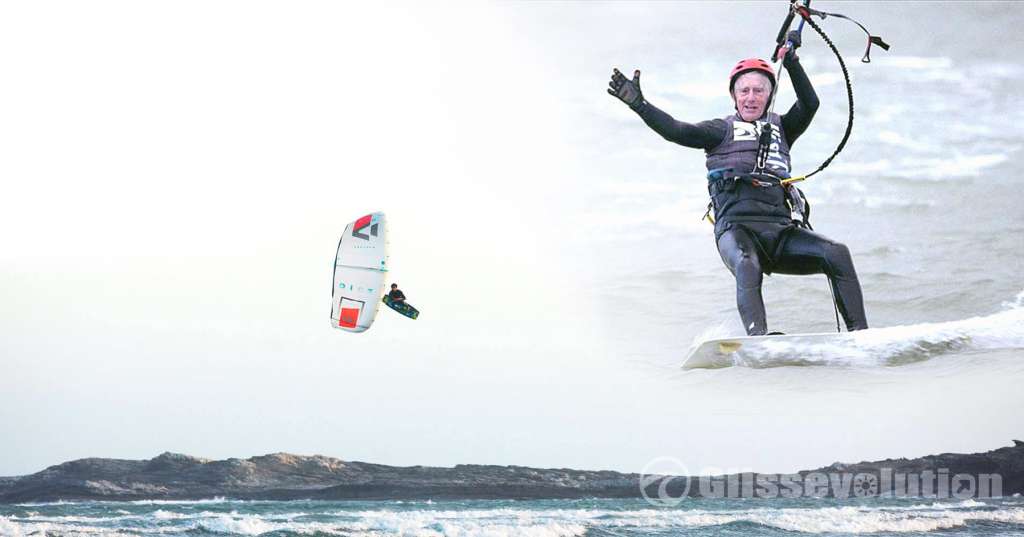
Take a closer look, and you'll see that the kiteboarding community includes all age groups and every body size. Chat with them, and you'll find most aren't ex-windsurfers, surfers, or sailors. Instead, they're men and women from 7 to 77 years old who took the leap and learned to kite at a kitesurf school. These schools teach safe kite handling all the way to full rider range. Kite and wing equipment is in our Kitesurf and Wing Foil worlds.
► ALL OUR
GUIDES AND TUTORIALS
Here are 10 common excuses for not getting into kiteboarding:
1) "I don't have the physique or muscle power for this sport."
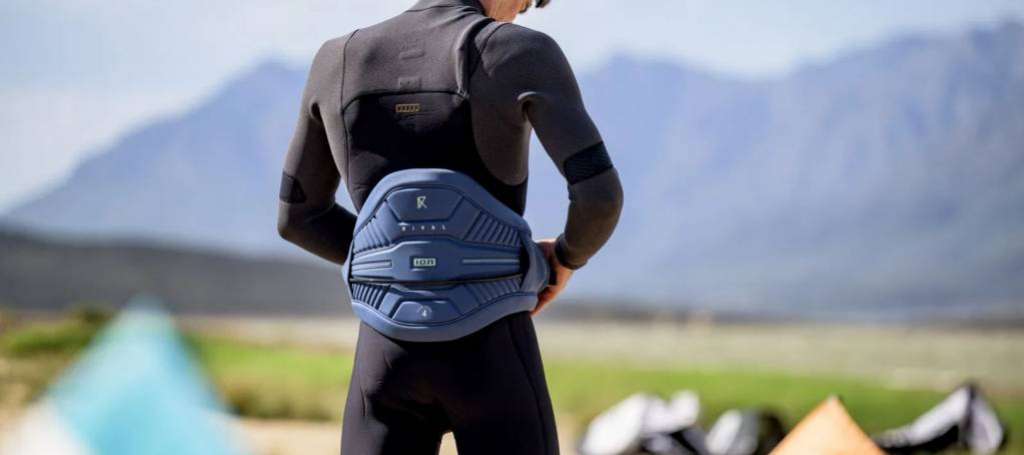
This argument is often used, but it's completely false. Most people don't realize that the kite's power is directed to the harness. This means you don't need any strength in the control bar or your arms. The harness supports you.
Compared to windsurfing or surfing, a kite session is far less strenuous. You can easily enjoy a kitesurfing session for several hours.
2) "I'm too old for watersports!"
Since I started kitesurfing, I've met riders of all ages. Everywhere I travel, I see kitesurfers from 7 to 77 years old, just as Michel Sardou famously said.
In kiteboarding, you ride your way. You choose your kite, your kiteboard, your kitesurfing spot, and the weather conditions to match your personal riding style.
You're never too old. Here's proof: watch this video about a 78-year-old kitesurfer:
3) "I'm not fit enough; a three-hour session is too physically demanding for me."
Initially, kitesurfing is primarily about coordination, not your physical fitness level. You'll be exhausted after your first session, but your body quickly adapts to new challenges. After a few sessions, you'll have all the muscles required for the task and progress rapidly.
4) "Too many difficulties and elements to manage; how can I control everything at once?"
The perceived difficulty is often what people imagine the first time they see a kitesurfer.
In kitesurfing, you have to steer the kite and also glide on the water with the kiteboard. Surfing seems simpler to approach, but learning to surf is actually very unrewarding and much more physically demanding. A good instructor will teach you kitesurfing step by step. This means each lesson is a victory, and you'll perfect your skills until you achieve your first effortless glides.
5) "Three to five 3- to 4-hour sessions just to learn? That seems quite long. If I learn to surf, I'll be gliding on the water in my first session."
Most kitesurfing courses last 3 to 5 days, which might seem quite long at first. Some people get frustrated with the theory and shallow water steering, wishing they could get on the water with the kiteboard during the first session.
However, learning to control the kite (a large kite) is the foundation for everything that comes after. Kiting is 70% kite steering and 30% board management.
Kitesurfing lessons are very clearly structured, with each step bringing you closer to "planning." Compared to windsurfing, surfing, and stand-up paddleboarding, the learning curve is very fast. Becoming independent in kiteboarding takes about a dozen hours, not a dozen sessions.
6) "I'm too thin/heavy for kitesurfing..."
Kitesurfing is a matter of simple physics. If you're very light, you'll use a small kite. If you're heavier, you'll use a larger kite. When taking lessons, the instructor advises you on the kite size, between 5m and 15m, to use during the session. Later, you'll choose your first kite based on your body size and the average wind in your region.
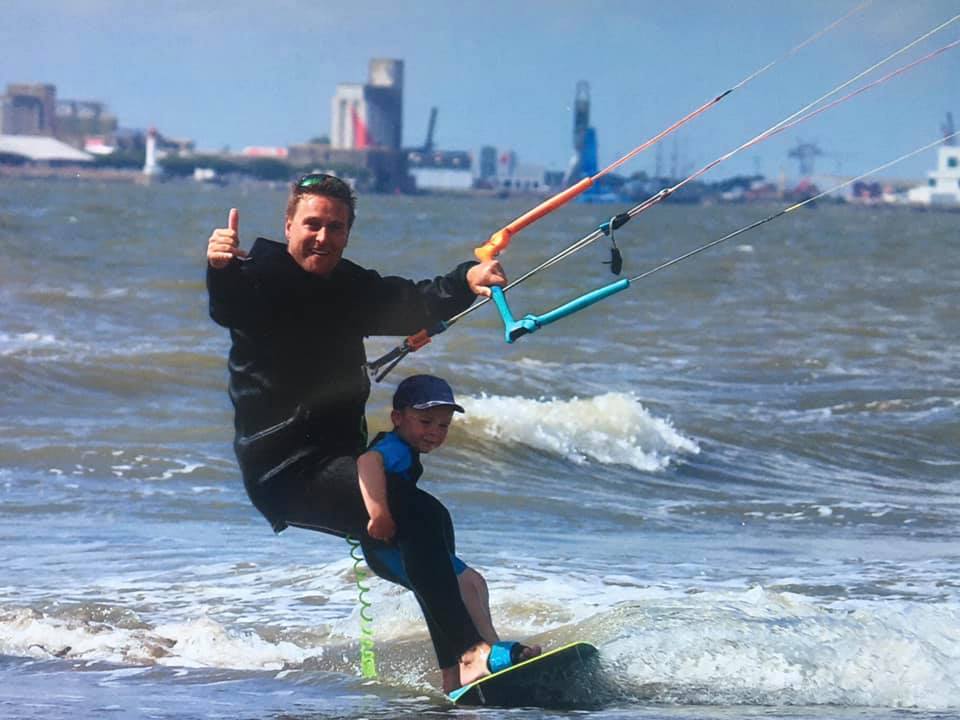
7) "Kitesurfing? That's far too extreme a watersport for me."
In magazines and videos, you'll always see professional kitesurfers doing crazy tricks or riding 6m waves.
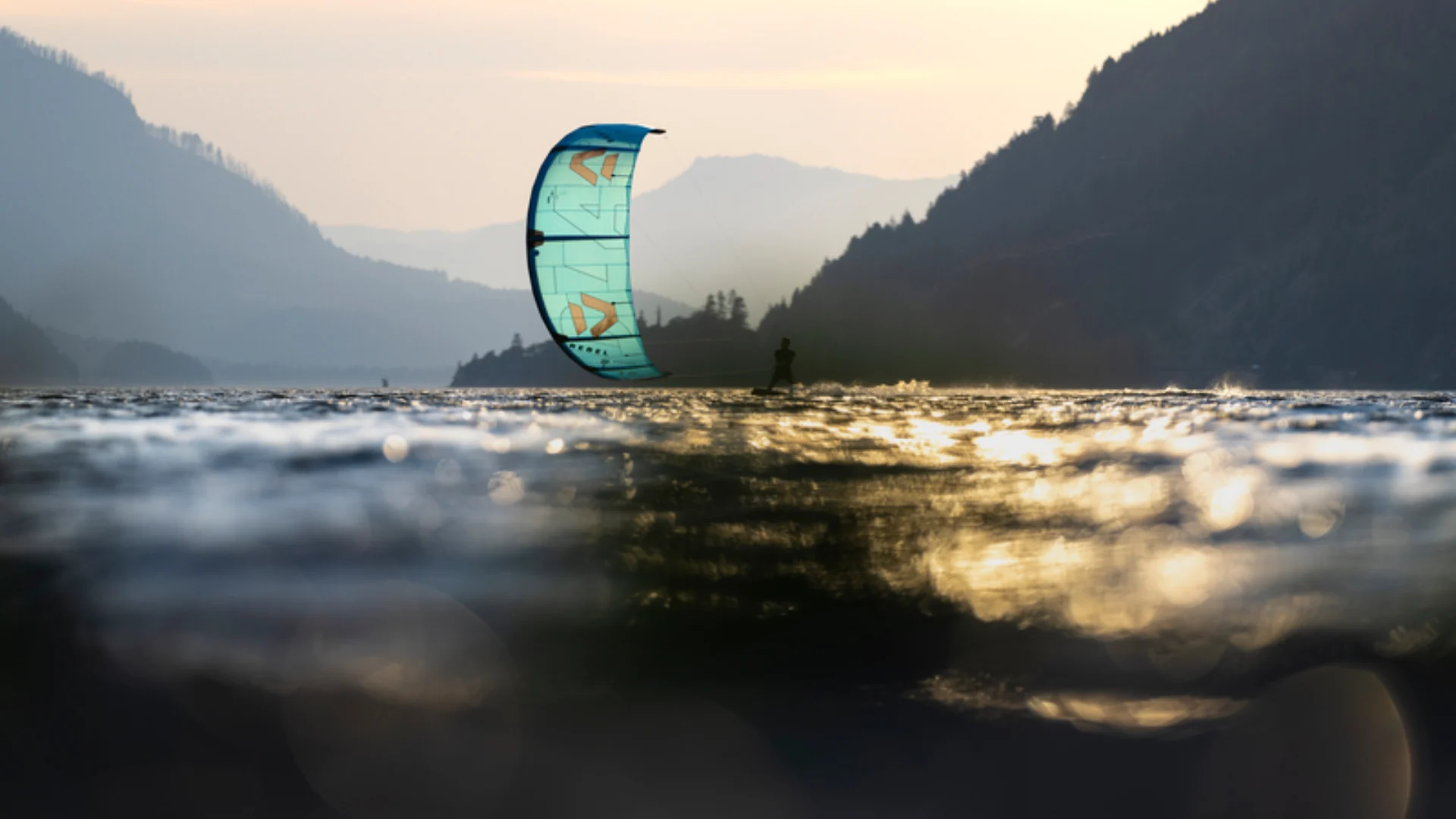
But kitesurfing is so much more than dizzying jumps. I know many people, myself included, who love to ride, feeling the wind on their face, gliding on the ocean, becoming one with the elements while enjoying a privileged kite spot.
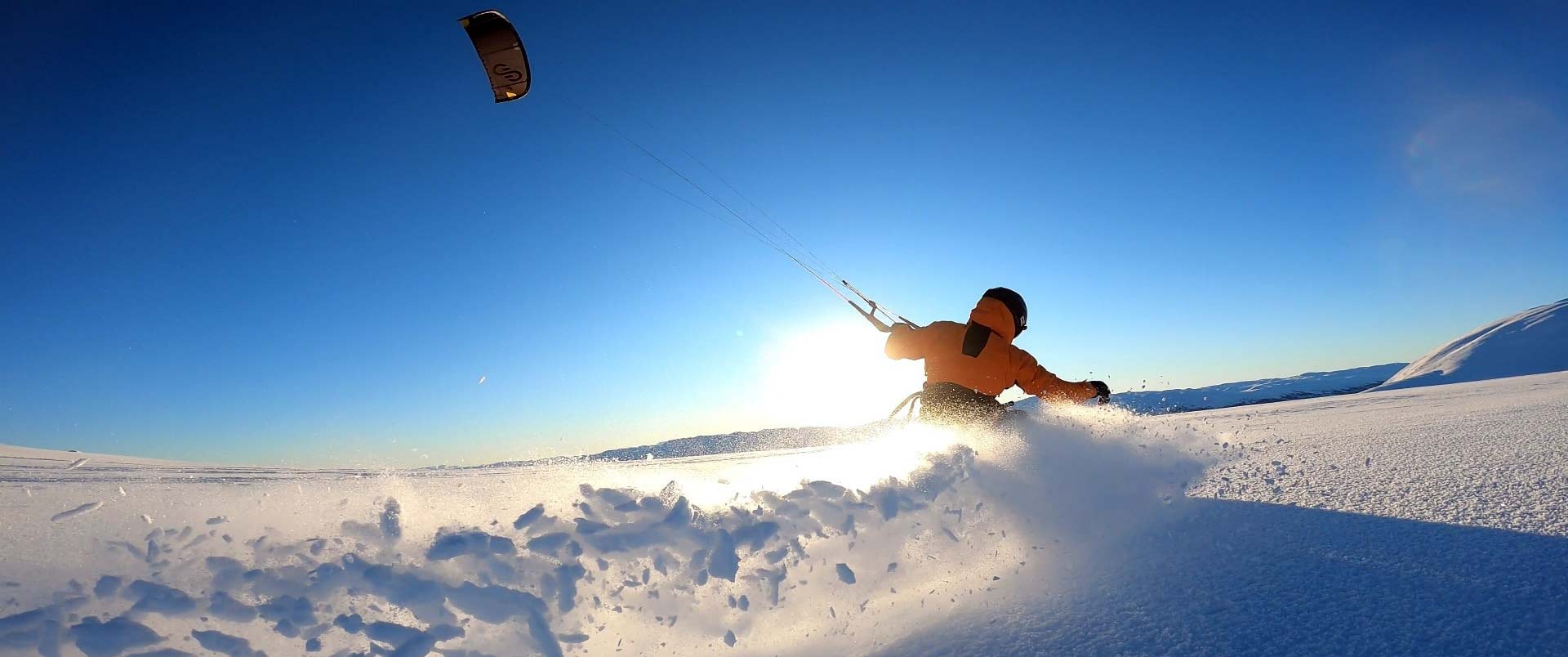
Once you master your kite, you can ride twintip, Surf, foil, snowboard, ski, skateboard, mountainboard, or other disciplines.
In terms of accident rates, kitesurfing is a low-risk activity. If you calculate the risk of death per 1000 hours of practice for certain sports or non-sporting activities, kitesurfing is not on the list, but skydiving and paragliding are.
8) "It's too dangerous for me!"
In the early days of kiteboarding, about fifteen years ago, that argument was valid. The activity was new, and safety systems improved every year. Yes, we were completely reckless back then, trying it on our own.
Today, kites are safe, with several effective release systems. Your instructor will teach you how to use them and in what situations. They will also explain how to choose your spot and read the weather. For added safety after your course, opt for supervised navigation with your instructor to validate your progression to full range.
9) "Kite equipment and lessons are too expensive."
Indeed, getting set up for kitesurfing is a bit pricier than for surfing. However, you can always find great deals on kitesurfing lessons during the week or outside of school holidays, when kite instructors have more availability than during peak season.
Once you are sure you want to continue Kiteboarding with full range, I recommend buying either packs or second-hand gear that is no more than four years old. Get to know your equipment during supervised sessions.
Also, make sure to try out different kites during test days organized by shops, or reach out to our ambassadors. They can help you discover which kite best suits your body size and riding style.
10) "It must hurt to fall from several meters high or to get tumbled in the waves."
The great thing about kiteboarding is that you fall into the water. Before you're hitting jumps several meters above the water and potentially taking big spills, you'll have already built up experience and technique through freeriding.
It's freestyle riders, or "freestylers," pushing new tricks who take those impressive falls.
When it comes to waves, you'll start on flat water spots. As you progress, riders naturally move on to bigger waves.
MORE INFO ON THE KITESURF SCHOOL
► Our favorite gear for kiteboarding:
Personally, I'm a huge fan of strapless Surf. I recommend a Whip or a Fish as your board, paired with a wave kite like the Duotone Neo or Dice, or the Eleveight WS.
Greg, who rides twintip, would suggest a Duotone Jaime Textreme or an Eleveight Master, matched with a Duotone Evo or Eleveight RS for sending loops.
For kite foil, the Duotone Pace and Spirit Carve foil combo remains our top pick.
For wing foil, we love Julien Kerneur's Supreme Carbon board, paired with a Moses 72C40-790 foil. As for the wing, the Ozone Wasp is ideal for long surf sessions, while the Duotone Echo excels for freeride and freestyle.
► ALL OUR
GUIDES AND TUTORIALS
Key Features
| Section | Key takeaway |
|---|---|
| Let's debunk 10 common misconceptions and preconceived notions that often make kitesurfing seem like a difficult, extreme activity reserved for an elite few. | If you look closely, you'll notice that the kitesurfing community includes riders of all ages and body types. |
| "I don't have the physique or muscle power for this sport." | This argument is often heard, but it's completely false. |
| "I'm too old for watersports!" | Since I started kitesurfing, I've met riders of all ages. |
| "I don't have the stamina; a three-hour session is too physically demanding for me." | Kitesurfing initially focuses on coordination, not your physical fitness level. |
| "Too many difficulties and elements to manage, how can I control everything at once?" | The perceived difficulty is often what people imagine the first time they see a kitesurfer. |
| "Three to five sessions of 3 to 4 hours just to learn? That seems quite long. If I learn to surf, I'll be gliding on the water in my first session." | Most kitesurfing courses last 3 to 5 days, which might seem quite long at first. |
| "I'm too thin / heavy for kitesurfing..." | Kitesurfing is a matter of simple physics. |
| "Kitesurfing? That's far too extreme a watersport for me." | In magazines and videos, you'll always see professional kitesurfers pulling off insane tricks or riding 6m waves. |
Frequently Asked Questions
I don't have the physique or muscle power for this sport.
This is a common argument, but it's completely false. Most people don't realize that the kite's power is directed to your harness, so you don't need to muscle the control bar or rely on arm strength.
I'm too old for watersports!
Since I started kiteboarding, I've met riders of every age. Everywhere I travel, I see kitesurfers from 7 to 77, as Michel Sardou so aptly put it.
I don't have much stamina; a three-hour session is too physically demanding for me.
Kitesurfing initially relies on coordination, not your physical fitness. You'll definitely be exhausted after your first session.
Too many difficulties and elements to manage. How can I control everything at once?
The perceived difficulty is often what people imagine when they first see a kitesurfer. With kitesurfing, you need to steer the kite and also glide on the water with your kiteboard.
I'm too thin/heavy for kitesurfing...
Kitesurfing is all about simple physics. If you're very light, you'll use a smaller kite.
Kitesurfing? That's far too extreme a watersport for me.
In magazines and videos, you'll always see professional kitesurfers landing crazy tricks or riding 6-meter waves. But kitesurfing is so much more than just dizzying jumps.
Got a question about the gear mentioned here?
The GlissEvolution team rides what they sell. They are available to answer your questions in person at the Pornichet store or by phone.